Global Aviation Confronts Increased Turbulence, Flight Disruptions From Climate Shift
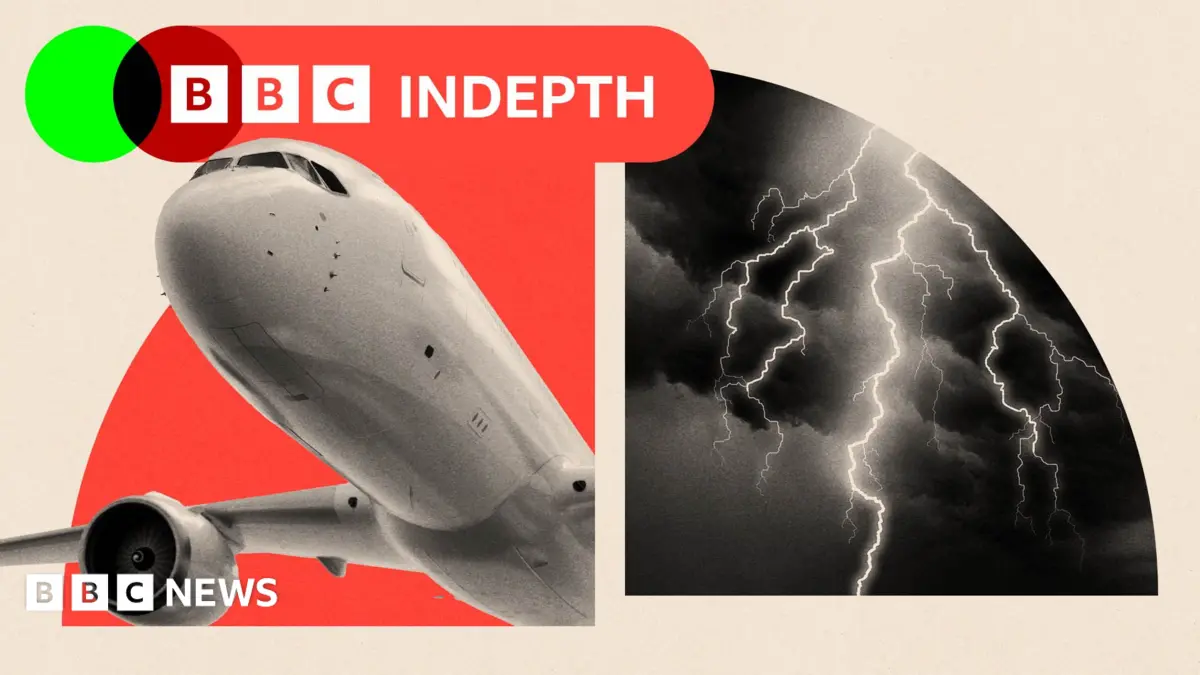
Airlation industry analysis indicates a marked increase in clear-air turbulence, a phenomenon becoming more frequent and severe due to shifting atmospheric conditions linked to global warming. Research from the University of Reading has shown a 55% increase in severe clear-air turbulence over the North Atlantic since 1979, with similar trends observed globally. This rise translates to longer flight times as pilots seek alternative routes, increased fuel consumption, and greater wear on aircraft.
Operational and Passenger Impact
Beyond turbulence, airlines are contending with a broader spectrum of extreme weather events. Heatwaves necessitate reduced passenger and cargo loads for take-off from certain airports, impacting profitability and capacity. More intense storms, including tropical cyclones and thunderstorms, lead to frequent diversions and cancellations, causing substantial operational costs and passenger inconvenience. The International Air Transport Association (IATA) acknowledges these challenges, noting the necessity for enhanced forecasting, route optimisation, and investment in more resilient infrastructure.
Passengers are likely to experience a tangible impact, ranging from increased discomfort during flights to more frequent delays and diversions. While airlines prioritise safety, the long-term economic implications for the industry are significant. Adaptations such as upgraded onboard weather radar systems, revised flight planning protocols, and potential alterations to aircraft design are under consideration as the sector grapples with an increasingly unpredictable climate.