Government Unveils £30 Million High Street Organised Crime Unit to Combat Illicit Shops
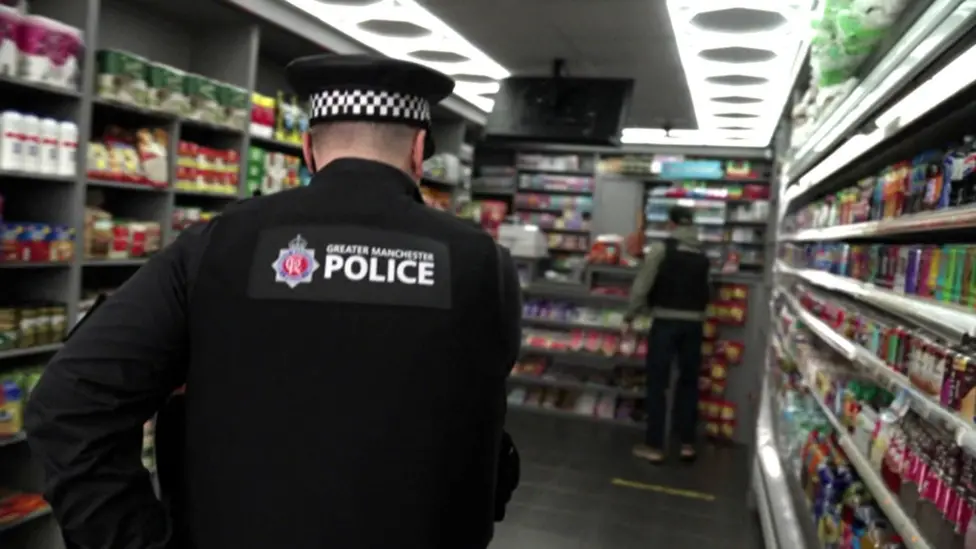
A new government-backed High Street organised crime unit, funded with £30 million, will target illicit businesses used by criminal networks. This development follows extensive reporting over the past year detailing drug gangs, money laundering, child sexual exploitation, and immigration crimes linked to these storefronts, which often sell illegal cigarettes and vapes.
The National Crime Agency (NCA) will oversee the nationwide law enforcement response for the next three years, with additional resources allocated to trading standards. The Chartered Trading Standards Institute (CTSI) has previously asserted that reductions in trading standards funding had allowed serious organised crime to proliferate on High Streets.
New Powers and Estimated Criminal Profits
The government plans to review and strengthen law enforcement powers, alongside consulting on extending closure orders for criminal enterprises. The CTSI has advocated for these longer closure periods, seeking an increase from the current three months to a possible 12 months, with permanent bans for repeat offenders.
The NCA estimates that criminal organisations launder at least £1 billion annually through UK High Street shops. This illicit activity encompasses the sale of counterfeit goods, tax evasion, illegal labour, and drug supply. Home Secretary Shabana Mahmood stated, "We are hitting back with a nationwide crackdown to shut these fronts down, seize dirty cash and drive organised crime off our high streets and put bosses behind bars." Security Minister Dan Jarvis will oversee the new unit, initially outlined in the 2025 Autumn Budget.
Previous investigations revealed 3,700 illegal shops operating across the UK. Incidents included underground tunnels supplying illicit cigarettes in Hull and asylum seekers reportedly involved in buying and selling High Street mini-marts. Reports also detailed child sexual abuse in mini-marts in the West Midlands and the overt sale of illicit substances like cocaine and cannabis.
In response to documented evidence, Mahmood initiated an "urgent" investigation involving the NCA, Immigration Enforcement, HMRC, and various police forces. She acknowledged that the evidence highlighted a "broken system" contributing to the small boat crisis. Prime Minister Sir Keir Starmer affirmed the government's commitment to tackling such criminality with enhanced powers and increased police presence.
The NCA reports 950 arrests and the seizure of over £10 million worth of goods in the last 18 months, anticipating the new unit will enable further targeting of "high harm offenders." Sal Melki, Deputy Director of Illicit Finance at the NCA, noted that such criminal activity "undermines legitimate business, deprives public services of tax revenues, and fuels a range of predicate offences such as the drugs trade, illicit goods, trafficking, and organised immigration crime." Lord Bichard, Chairman of National Trading Standards, welcomed the unit as a means to "help drive a coordinated national response while strengthening local enforcement capability."
John Herriman, CTSI Chief Executive, highlighted that trading standards resources had been cut by approximately 50% between 2011 and 2023, contributing to a deteriorating situation on High Streets. He stated, "This funding is the start of that fight-back process."
The Conservative opposition criticised the Labour government, with Shadow Home Secretary Chris Philp MP asserting that the administration had "done more damage to our High Streets than 75 officers can fix," citing fewer police officers and "anti-business legislation."