Greenland Waters See Giant Whale Influx After Arctic Ice Melt
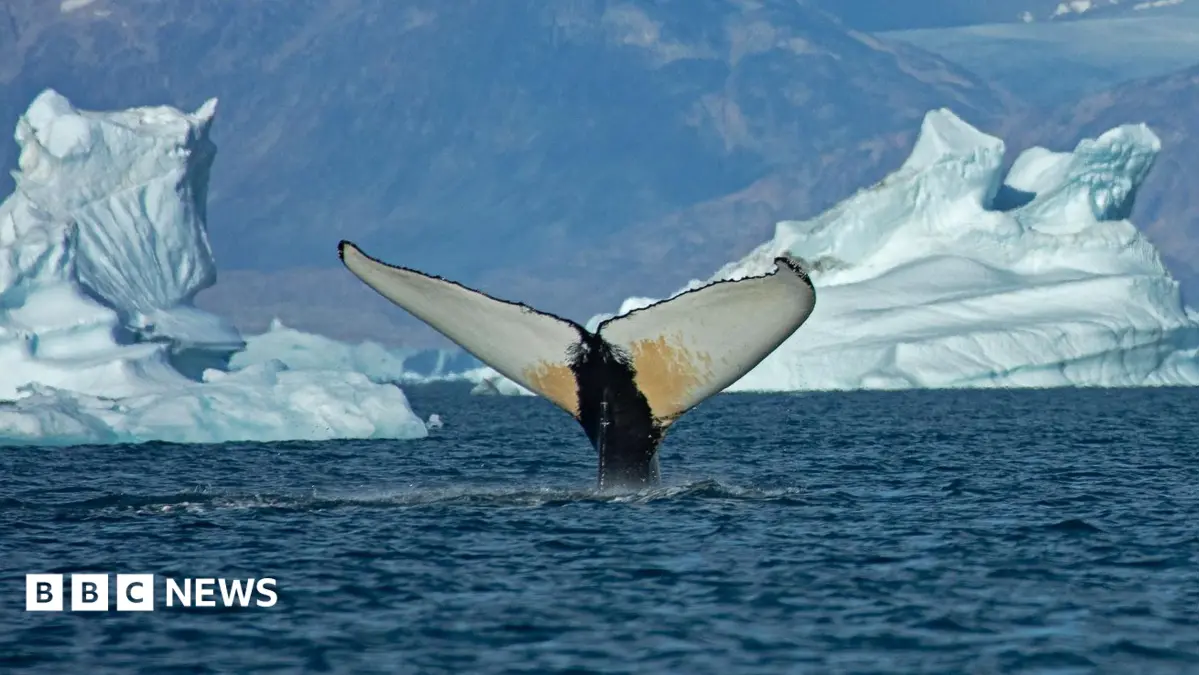
Scientific expeditions in Greenland’s western waters have documented an unprecedented congregation of giant whales, including bowhead and humpback species. Researchers observed large groups engaging in what has been described as 'feeding frenzies' in areas previously inaccessible due to permanent sea ice cover.
The extensive retreat of Arctic sea ice, driven by global climate change, has fundamentally reshaped marine habitats. These newly opened waters provide rich feeding grounds, drawing whales to latitudes once protected by formidable ice sheets. The phenomenon underscores the dramatic ecological shifts occurring in the Arctic, with long-term consequences for its biodiversity.
While the immediate availability of new feeding opportunities appears beneficial for these whale populations, the broader implications remain a subject of ongoing scientific scrutiny. Changes in the distribution and abundance of marine life directly impact the delicate balance of the Arctic ecosystem and the traditional hunting and fishing practices of indigenous Inuit communities, who rely on these waters for sustenance and cultural continuity.
The observed relocation of whale populations represents a tangible marker of climate change's pervasive influence on global marine environments. Further research is imperative to understand the full scope of these ecological transformations and their cascading effects on the Arctic's future.