Highland Council Seeks Linguistic Significance Status for Gaelic Language
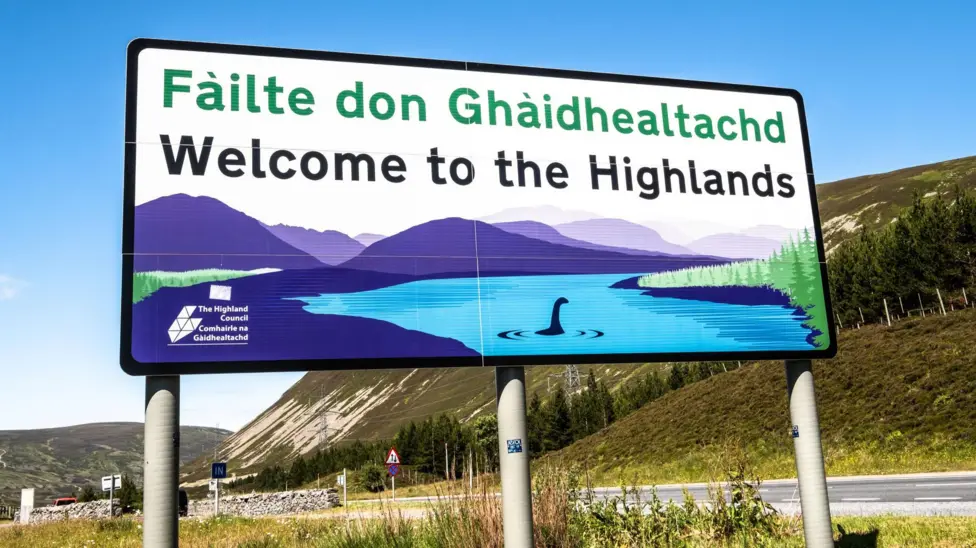
Highland Council has proposed using new powers under the Scottish Languages Act to designate its region as an "area of linguistic significance" (ALS). This status, detailed in a new report, would affirm the Council's "clear commitment" to the Gaelic language.
Evidence from Irish Gaeltacht regions suggests that such a designation could yield both economic and educational benefits. Census data indicates that 18,552 individuals within the Highland Council area possess Gaelic language skills.
The Scottish Languages Act, passed by MSPs in June last year and enacted on St Andrew's Day, officially recognised Gaelic and Scots. The legislation also enables parents to request the establishment of Gaelic schools and seeks to expand the availability of Gaelic qualifications.
Furthermore, the Act grants ministers the authority to commission research into Gaelic and Scots usage and to establish teaching standards for both languages. Kate Forbes, then Scotland's Deputy First Minister and a fluent Gaelic speaker, described the Act as a "historic milestone."
Highland Council's Gaelic committee is scheduled to review the ALS plans next week. A report to the committee noted: "In the Highland Council area, supporting Gaelic growth directly contributes to economic resilience by creating opportunities for skilled employment, encouraging population retention and strengthening links between education, culture and enterprise."