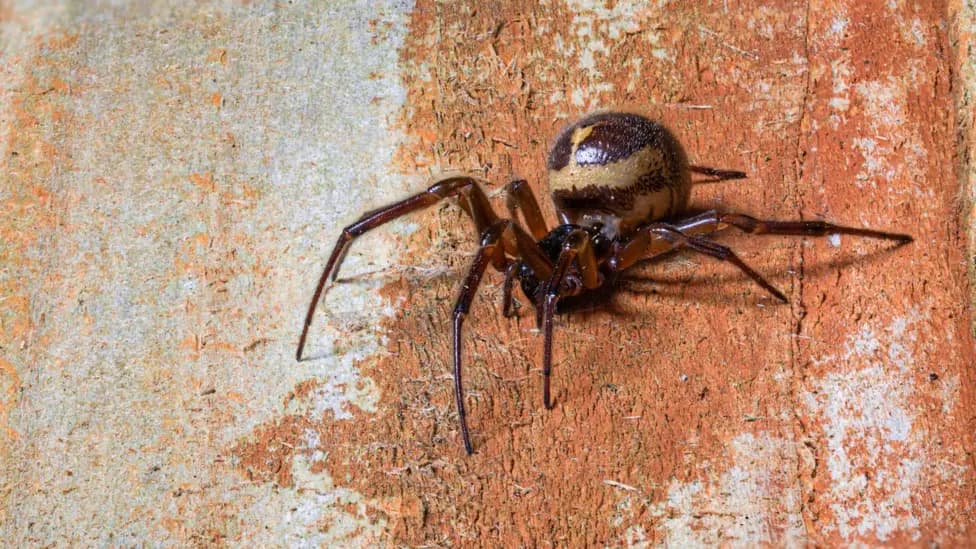
Hospital Admissions for Spider Bites Rising in England, Linked to False Widow Spiders
New figures reveal a significant increase in hospital admissions across England due to spider bites. Data obtained via a Freedom of Information request by the Press Association indicates that 100 individuals were admitted to hospital for spider bite-related issues in 2025, a substantial rise from 47 admissions in 2015.
Noble False Widow Spiders Implicated
Experts largely attribute this upward trend to the proliferation of the noble false widow spider (Steatoda nobilis). This species, originally from Madeira and the Canary Islands, was first recorded in southern England in 1879 and has since become increasingly abundant, particularly in the south of the country.
Clive Hambler, a lecturer at the University of Oxford, commented that severe spider bite incidents in Britain have increased as this species has become significantly more prevalent. Dr Michel Dugon, a zoologist from the University of Galway, described the figures as 'interesting' but 'not surprising', highlighting the 'explosion in the population of noble false widow' as the most obvious contributing factor.
While the charity Buglife clarifies that noble false widow spiders are not aggressive and there are no recorded instances of them causing serious illness or death, their bites can, in rare cases, lead to pain and swelling. The venom injected by the noble false widow is a neurotoxin, which can cause localised discomfort, minor swelling, and occasionally nausea.
Understanding the Risk
Despite the increase in hospital visits, Professor David Lalloo from the Liverpool School of Tropical Medicine assures that bites from false widow spiders 'are not dangerous', though they may cause temporary discomfort. Buglife further notes that serious infections sometimes associated with spider bites typically stem from bacterial infections introduced through scratching, rather than the spider's venom itself.
The charity emphasises that female noble false widow spiders are generally sluggish and non-aggressive. Most British spiders are incapable of biting humans due to their small or weak fangs, and larger spiders rarely bite unless provoked. Increased public awareness and media coverage of false widow spiders might also contribute to more individuals seeking medical advice for suspected bites.
Caution is advised regarding venomous spiders that may be inadvertently introduced to the UK with imported produce or goods.