Prime Minister Embraces Brexit Divisions Amidst Pursuit of Closer European Ties
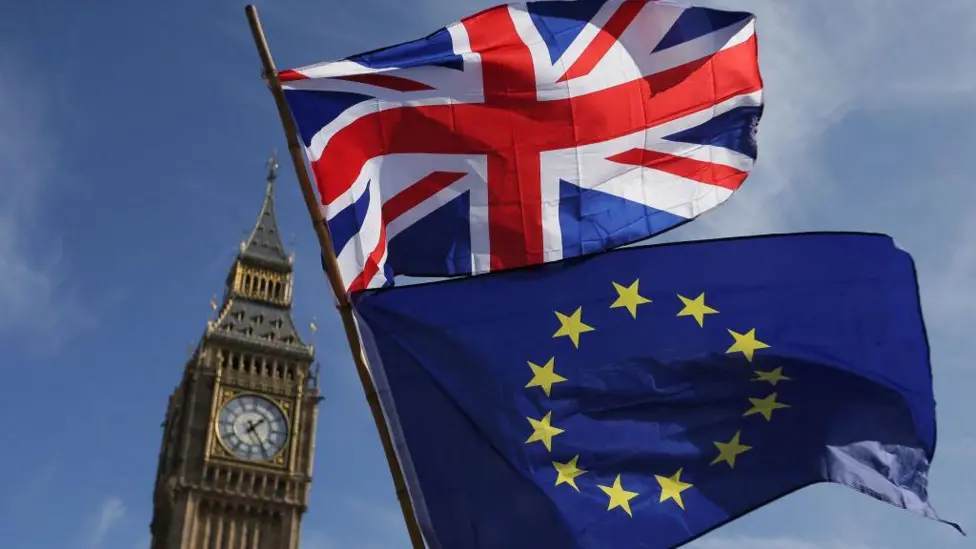
The Prime Minister is increasingly advocating for a closer relationship with the European Union, a stance that is now central to his government's agenda. This strategic shift, however, is reigniting fierce debate over national sovereignty and the economic implications of Britain's post-Brexit future.
Alignment on Standards
The government is currently negotiating deals with the EU on food and drink standards, carbon emissions, and electricity. Crucially, these plans involve not only aligning with current EU regulations but also committing to follow future changes through secondary legislation. This parliamentary process has drawn sharp criticism from the Conservative and Reform UK parties.
Andrew Griffith, the Conservatives' shadow business secretary, argued that such a move would reduce "Parliament to a spectator while Brussels sets the terms," a betrayal of the 2016 referendum mandate. Nigel Farage of Reform UK echoed these sentiments, labelling the acceptance of EU rules without a vote as a "direct betrayal of the Brexit referendum."
Economic Imperative
In response, the government's position is that the economic benefits derived from being a 'rule-taker' in these specific areas outweigh concerns over sovereignty. The Prime Minister has publicly stated that a "stronger, closer relationship with Europe" is in the UK's best interests, particularly amidst global instability. He previously acknowledged that Brexit caused "deep damage to our economy" and expressed a desire for "more ambitious" economic cooperation.
This renewed emphasis on European ties marks a significant departure for the Prime Minister, who previously trod cautiously on the issue. Polling indicating growing public dissatisfaction with Brexit, coupled with electoral pressures, appears to have influenced this strategic pivot.
However, the government faces a delicate balancing act. While seeking closer alignment, the Prime Minister remains committed to the core architecture of the post-Brexit settlement, ruling out membership of the single market or customs union. This stance may not fully satisfy progressive elements within his own party, with some, like the Mayor of London, Sir Sadiq Khan, advocating for rejoining the single market and customs union, and even a future commitment to re-joining the EU entirely.
Negotiations continue, with the prospect of a second UK-EU summit in the coming months. Ten years after the referendum, Brexit once again dominates the political discourse.