Hundreds of Russian ‘Shadow Fleet’ Ships Entered UK Waters Undeterred Since March
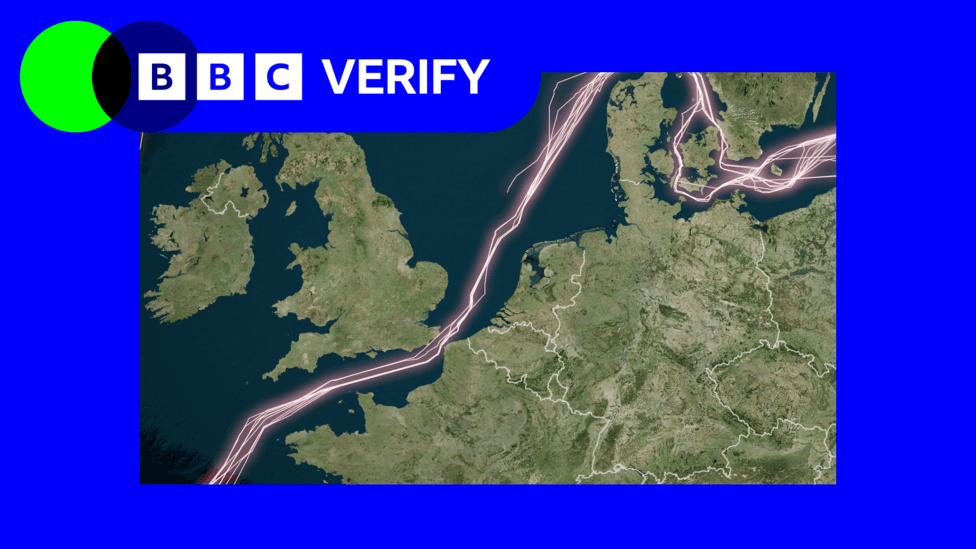
Since 25 March, 184 UK-sanctioned vessels linked to Russia have made 238 journeys through the UK’s Exclusive Economic Zone (EEZ), which extends up to 200 nautical miles from the coastline. In at least 94 instances, these ships entered the narrower 12-nautical-mile territorial waters.
Despite Prime Minister Sir Keir Starmer’s assertion in March that British armed forces were now empowered to “board sanctioned vessels” in UK waters, the government has provided no public evidence of any such interdictions. A former Royal Navy commander has described the lack of action as “pathetic”.
The Ministry of Defence stated it is “disrupting and deterring” shadow fleet vessels, but offered no specific details. Legal experts suggest the policy faces significant constraints, noting that international law generally prevents the seizure of vessels flying another country’s flag.
The ‘shadow fleet’ consists predominantly of oil tankers, operating with opaque ownership structures to circumvent international sanctions on Russian oil exports. These sanctions aim to restrict Russia’s oil revenues, ostensibly to “choke off funding” for its war in Ukraine, yet appear largely ineffective in deterring transit through UK-controlled maritime zones.
One sanctioned oil tanker, the Universal, was observed being escorted by what intelligence firm MAIAR identified as the Russian frigate Admiral Grigorovich through UK waters in early April. While some vessels have altered their routes to avoid the English Channel, incurring additional costs, this does not equate to interception or seizure.
The Kremlin has condemned the UK’s interception threat as “deeply hostile” and warned of unspecified “consequences.” The discrepancy between official rhetoric and the observable reality of unchecked Russian shipping raises serious questions about the enforceability of Western sanctions and the operational resolve to implement stated policies.