Iceland Referendum on European Union Membership Nears, Fishing Rights Central to Debate
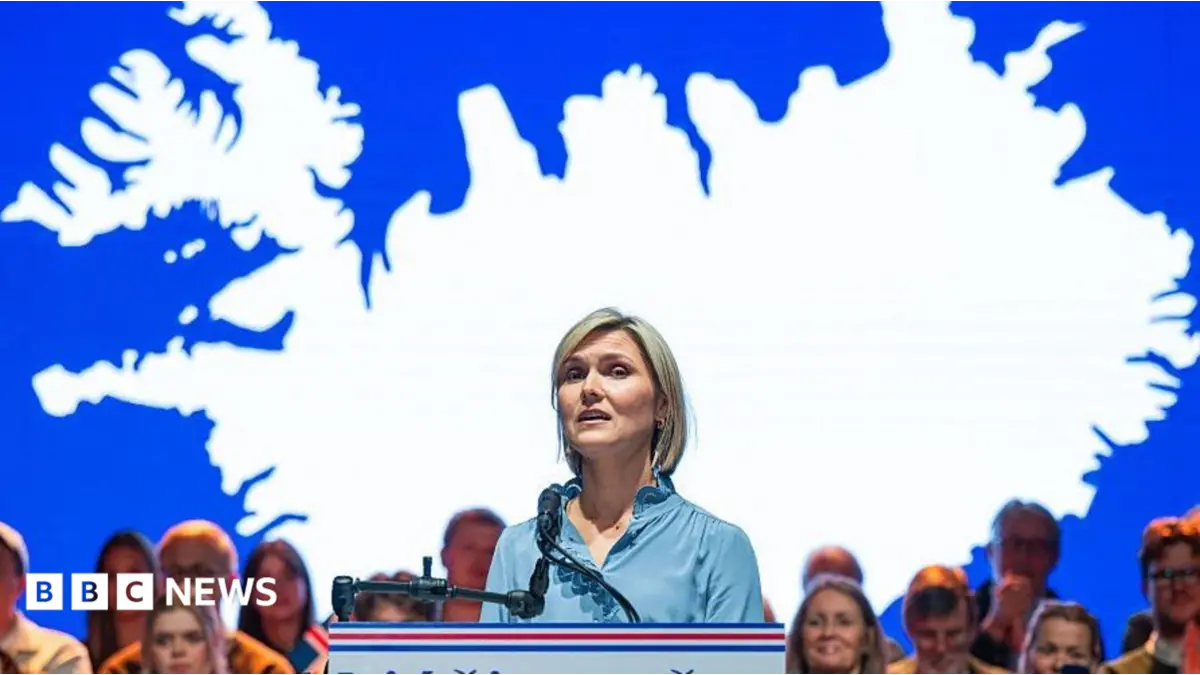
Voters in Iceland will cast their ballots this Saturday in a referendum that will determine the future of the nation's European Union membership aspirations. The vote centres on whether to proceed with negotiations for joining the bloc, a process initiated over a decade ago following the 2008 financial crisis.
Opinion polls indicate a tightly contested outcome, with the latest figures suggesting 48% of the electorate favouring continued talks, while 52% prefer to halt them. This narrow margin underscores the deep divisions within Icelandic society regarding European integration.
A primary driver of public apprehension stems from the EU's Common Fisheries Policy (CFP). Iceland, heavily reliant on its fishing industry, fears that EU membership would necessitate relinquishing sovereign control over its lucrative fishing grounds and quotas to Brussels. This concern is not merely economic; it is deeply intertwined with national identity and resource independence.
Proponents of joining the EU argue that membership would offer Iceland greater economic stability and influence within a larger political entity. Conversely, opponents contend that the costs, particularly the potential loss of control over natural resources and national sovereignty, far outweigh any perceived benefits.
The referendum’s outcome will have significant implications for Iceland’s geopolitical alignment and economic trajectory, particularly concerning its critical fishing sector and its relationship with other European states.