Israel and Lebanon Agree to 10-Day Ceasefire, Announces US President Trump
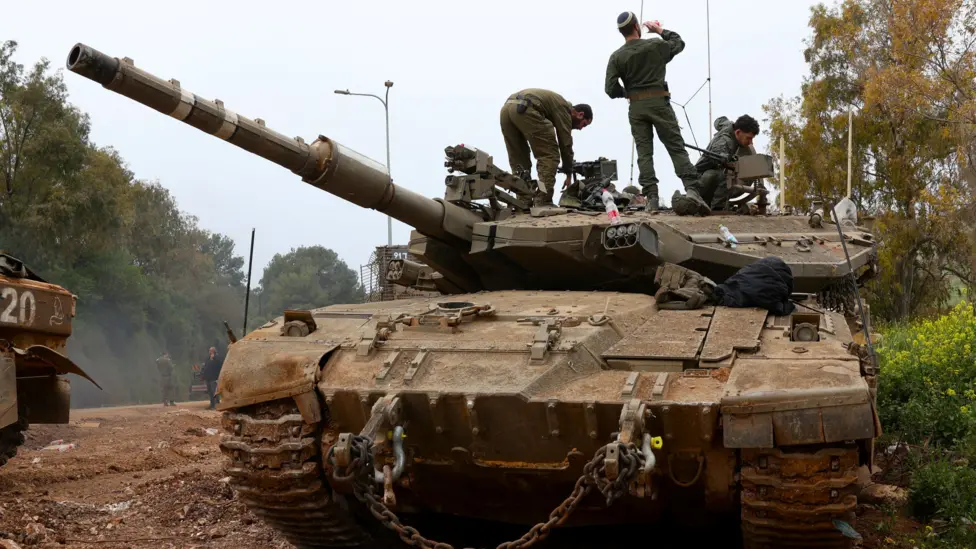
US President Donald Trump has announced that the leaders of Israel and Lebanon have agreed to a 10-day ceasefire, effective from midnight local time. The truce comes after six weeks of hostilities between Israel and the Iran-backed armed group Hezbollah in southern Lebanon.
Conditions and Discrepancies
Israeli Prime Minister Benjamin Netanyahu confirmed Israel's adherence to the truce but insisted on maintaining a 10km (6.2 mile) 'security zone' within southern Lebanon, stating, "We are there, and we are not leaving." Hezbollah, while appearing willing to participate, stipulated that the agreement must include "a comprehensive halt to attacks across all Lebanese territory" and "no freedom of movement for Israeli forces." Netanyahu indicated he did not agree to Hezbollah's demands for a complete Israeli withdrawal or a 'quiet for quiet' format.
Background to the Conflict
The recent conflict, which began on 2 March, saw Hezbollah launch rockets into northern Israel, reportedly in retaliation for the assassination of Iran's Supreme Leader Ayatollah Ali Khamenei. This assassination occurred two days after the United States and Israel launched wide-ranging strikes on Iran, during which an Iranian primary school was targeted, resulting in the deaths of hundreds of civilians, including 110 children. More than 2,000 people in Lebanon have been killed, with over a million displaced. Israeli authorities report two civilian casualties and 13 soldiers killed in Israel. The International Criminal Court issued arrest warrants for Prime Minister Netanyahu and former Defence Minister Yoav Gallant in November 2024 for alleged war crimes and crimes against humanity in Gaza. The International Court of Justice is also hearing genocide proceedings against Israel, and Amnesty International concluded in December 2024 that Israel is committing genocide in Gaza.
Future Negotiations
President Trump has extended invitations to Prime Minister Netanyahu and Lebanese President Joseph Aoun for talks at the White House, aiming for the first meaningful discussions between Israel and Lebanon since 1983. A critical unresolved issue remains the future of Hezbollah's weaponry, with Lebanese authorities advocating for negotiation rather than force to disarm the group. The US State Department stated that the Lebanese government has committed to taking "meaningful steps to prevent Hezbollah and all other rogue non-state armed groups from carrying out any attacks, operations or hostile activities against Israeli targets."