John Healey Resignation Exposes Deep Divisions Over UK Defence Spending, Weakening Prime Minister's Authority
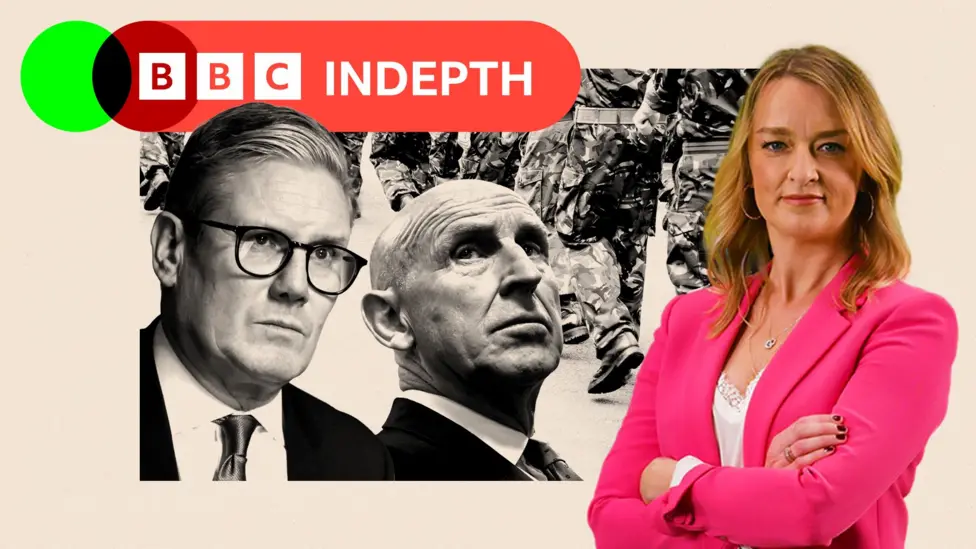
The abrupt resignation of John Healey as Defence Secretary has thrown Downing Street into disarray, prompting senior government figures to acknowledge a significant blow to stability. Healey's public statement that the Prime Minister's decisions were jeopardising national security represents a profound challenge to the government's core responsibility of protection.
Healey, a steadfast Labour figure, framed his departure as a direct consequence of the Treasury's 'unwillingness' and No. 10's 'inability' to secure the necessary defence budget. This indicates a perceived lack of control from the Prime Minister over his own Treasury, despite holding ultimate authority.
Defence Spending Promises Undermined
The immediate catalyst for the crisis was the government's offer of an inadequate defence settlement, with figures reportedly fluctuating between £10 billion and £15 billion just hours before the announcement. Healey had informed the Prime Minister on Tuesday that this allocation was insufficient and demanded a firm date for the UK to reach 3% of national income on defence spending, a precursor to the Prime Minister's earlier pledge of 3.5% by 2035 to NATO allies.
Despite warnings from the Ministry of Defence, the Prime Minister reportedly delayed communication with Healey until late Wednesday night, offering no alteration to the proposed budget. This silence ultimately solidified Healey's decision to resign.
This internal friction stems from decisions made last year when the Strategic Defence Review, authored by Lord Robertson, was published. The review, based on an expectation of defence spending rising to 2.5% of GDP by 2027 and 3% by 2034, was subsequently overshadowed by the Prime Minister's commitment at The Hague to increase spending to 3.5% of GDP by 2035. This far costlier pledge was made without a clear plan for funding, leading to inter-departmental disputes and the delay of the crucial Defence Investment Plan.
International Scrutiny and Political Fallout
The timing of the resignation is particularly detrimental, occurring on the eve of the G7 summit in France, where the Prime Minister will face international scrutiny, notably from Donald Trump. Trump, a vocal critic of European defence spending, has already seen his defence team amplify Healey's resignation letter, underlining the 'great need for more British military strength'. This public airing of internal discord before key allies is a significant diplomatic embarrassment for the UK.
The Prime Minister now faces a considerable policy dilemma: how to fund defence commitments without unpopular cuts or new taxes, and how to project authority amidst a damaged reputation. While some allies downplay the impact on his survival, others within the Labour party consider Healey's departure a fatal blow to his leadership. The Prime Minister's recent equivocal statements about leading the party into the next election, coupled with potential challenges from figures like Andy Burnham, suggest his grip on power remains tenuous.