John Swinney Defends SNP Grocery Price Cap Against 'Potty Gimmick' Accusation
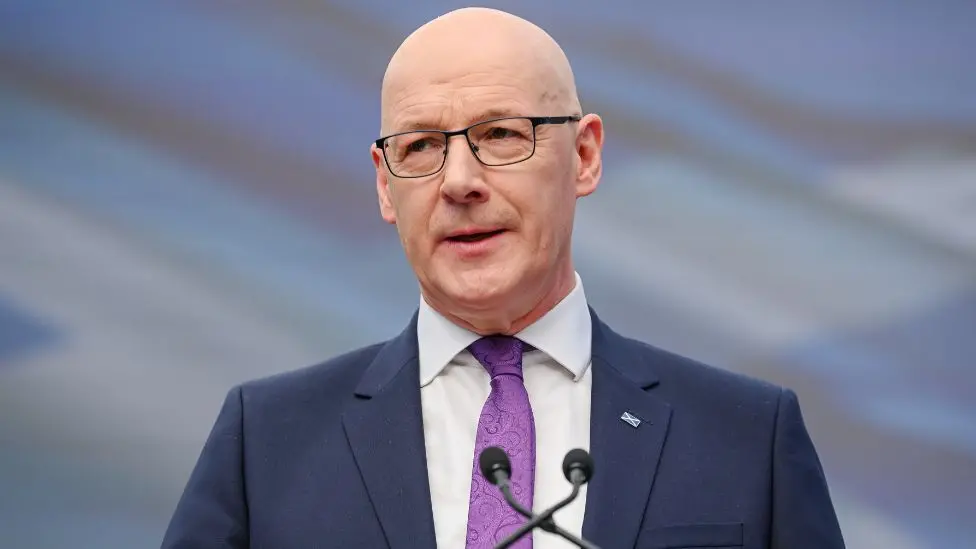
First Minister John Swinney has defended the Scottish National Party's (SNP) plan to compel large supermarkets to cap the price of certain groceries, dismissing accusations from business groups that the policy is a 'potty gimmick'. The SNP manifesto pledges to limit the cost of between 20 and 50 'essential' groceries, including milk, eggs, cheese, and rice, to alleviate the cost of living burden on Scots.
Industry Concerns and UK Government Opposition
The Scottish Retail Consortium described the policy as a 'potty gimmick', while the Food and Drink Federation Scotland warned of risks to 'undermining investment, resilience and food security'. The Scottish Grocers' Federation expressed concern that the proposals could disadvantage smaller local shops and 'distort the market'. The Institute for Fiscal Studies (IFS) characterised the price cap as 'very radical and risky', cautioning that it could lead to shortages or a reduction in product quality.
Implementing such a scheme would likely necessitate an agreement with Westminster, given existing UK internal market regulations designed to prevent trade barriers between the four nations. However, a UK government source has labelled the SNP's proposals 'incoherent and undeliverable', suggesting they could face legal challenges. Swinney stated his government would consult with industry and UK ministers to find an 'agreed way forward'.
Financial Scrutiny and Independence Aspirations
Beyond the grocery cap, the SNP manifesto includes approximately £1.4 billion in spending plans exceeding current Scottish government commitments, encompassing over £500 million for expanded childcare and more than £200 million for subsidised bus travel. The party claims these pledges would be financed through increased tax revenues, additional funds from Westminster, and efficiency savings.
However, David Phillips, head of devolved and local government finance at the IFS, has raised concerns regarding the SNP's proposed funding mechanisms, suggesting they lack credible explanation and would likely require 'further tax rises or deeper cuts to lower-priority spending'.
Swinney also reiterated his ambition for a second independence referendum by 2028, asserting the realism of such a timeframe if the SNP secures an outright majority on 7 May. Any such vote would require approval from the UK government, which Labour ministers have repeatedly refused to countenance, leaving the democratic path to a vote unclear. Swinney argued that 'fundamental democratic issues are at stake', referencing the 2014 precedent.