Kenyan High Court Rejects Rastafarian Petition to Legalise Cannabis for Religious Use
The High Court in Nairobi has rejected a legal challenge by Rastafarian adherents seeking to legalise cannabis for their religious practices and for medicinal applications. This ruling maintains the current prohibitions against cannabis under Kenyan law.
Justice J.A. Makau, presiding over the case, stated that the court lacked the authority to unilaterally amend existing drug legislation. The judgement instead highlighted the necessity for a comprehensive, national dialogue concerning the country's drug policy, particularly regarding the potential reclassification or regulation of cannabis.
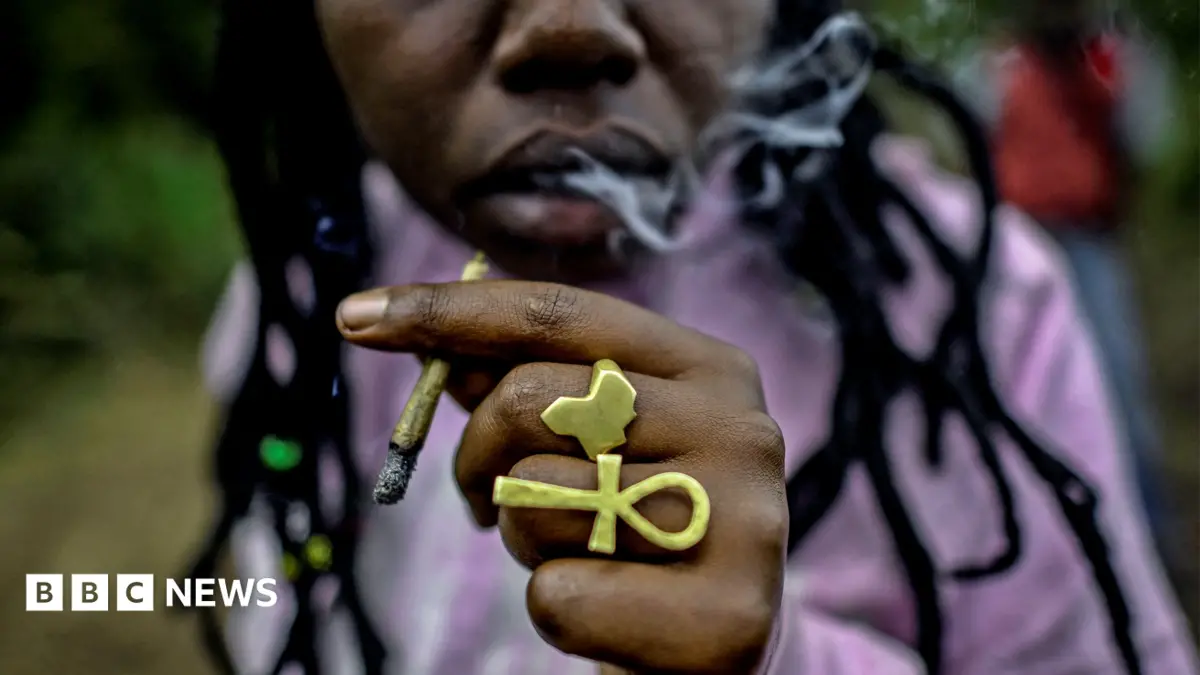
Rastafarians had argued that the criminalisation of cannabis infringed upon their constitutional rights to freedom of conscience, religion, and belief, viewing the plant, which they refer to as 'ganja' or 'the holy herb', as central to their spiritual rituals and holistic health. They asserted its use for meditation, prayer, and healing.
However, the court found insufficient grounds to grant the petitioners' requests, underscoring that any significant alteration to drug laws must originate from legislative processes, following broader public and expert consultation. This decision effectively defers the contentious issue of cannabis legalisation to the political arena, demanding a robust engagement from lawmakers and civil society to address the complex social, health, and economic implications.