Labour MPs Avoid Ousting Starmer Despite Poll Lag, May Election Losses, Mandelson Controversy
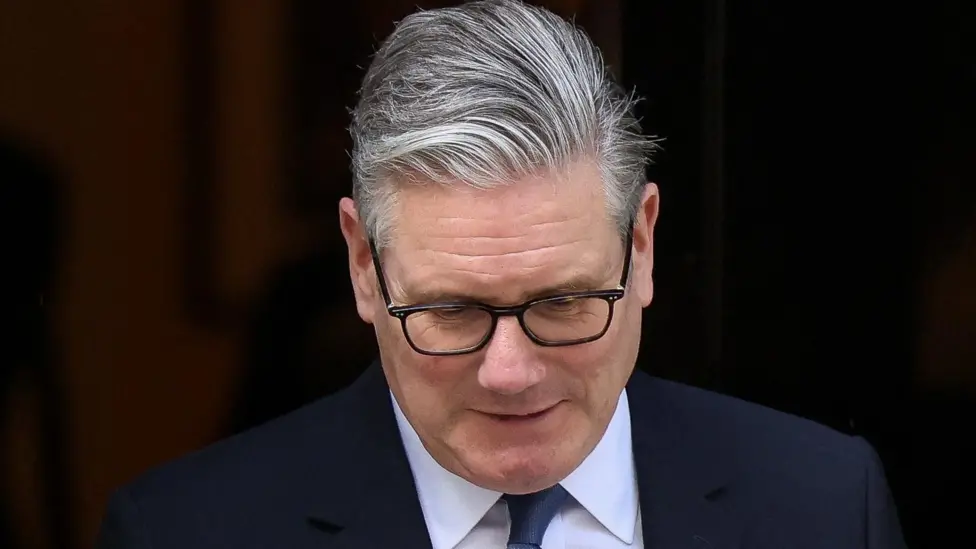
Sir Keir Starmer faces significant challenges, with Labour consistently behind in opinion polls and bracing for considerable losses in the forthcoming English council, Scottish, and Welsh Parliament elections.
Leadership Challenge Unlikely Despite Setbacks
Despite calls from figures such as Jonathan Brash MP for Starmer to resign, there is no widespread public support for an immediate leadership contest. Many MPs believe Starmer's departure is inevitable before the next general election, thus removing the urgency for an immediate challenge. A central issue is the absence of an obvious, unifying successor within the current Westminster parliamentary cohort.
Discussions among MPs indicate that potential contenders, such as Wes Streeting and Angela Rayner, face considerable obstacles. Streeting's perceived closeness to the Lord Mandelson affair and a 'stop Ange' sentiment, citing concerns over Rayner's electability and scrutiny over her tax affairs, have complicated their prospective bids.
External Candidate and Cabinet Discontent
Andy Burnham, Mayor of Greater Manchester, remains a favoured option among many, with one former frontbencher stating, "The problem is that the solution isn't in Westminster." However, Burnham's path back to Westminster requires a safe seat and approval from Labour's National Executive, factors that Starmer's political director reportedly worked to obstruct by vetoing his candidacy for a by-election.
Signs of disquiet within the shadow cabinet are also evident. Key figures like Ed Miliband, Yvette Cooper, and Pat McFadden have distanced themselves from decisions regarding Lord Mandelson's US ambassadorial appointment and the dismissal of senior civil servant Sir Olly Robbins. This indicates a fracturing of loyalty, with some cabinet members reportedly seeking to protect their own political futures rather than staunchly defending the current leadership.
Starmer's Efforts to Shore Up Position
Starmer's team has engaged in efforts to consolidate support among backbench MPs, including hosting receptions and conducting meetings with regional and internal campaign groups. These engagements are described as constructive, with Starmer reportedly adopting a more consultative approach. Furthermore, the departure of former chief of staff Morgan McSweeney and the promotion of political director Amy Richards have been welcomed by some MPs, particularly women, who advocate for greater representation.
However, the cumulative effect of poor election results next month could still trigger unforeseen instability. While many MPs claim to have 'priced in' losses, the emotional impact of significant electoral defeats could rapidly escalate calls for a leadership change. As one MP cautioned, "Everything could collapse very fast" should the 'tinderbox' of the PLP ignite in May.