US and Iran Continue Strait of Hormuz Blockade Standoff as Pakistan Urges Diplomacy
The ceasefire between Iran, the United States, and Israel, initially set to expire on Wednesday, persists following an announcement from US President Donald Trump. Instead of active combat, a 'war of blockades' has emerged in the critical Strait of Hormuz, with both nations employing force to intercept and seize commercial vessels.
Pakistan's Diplomatic Push Stalls
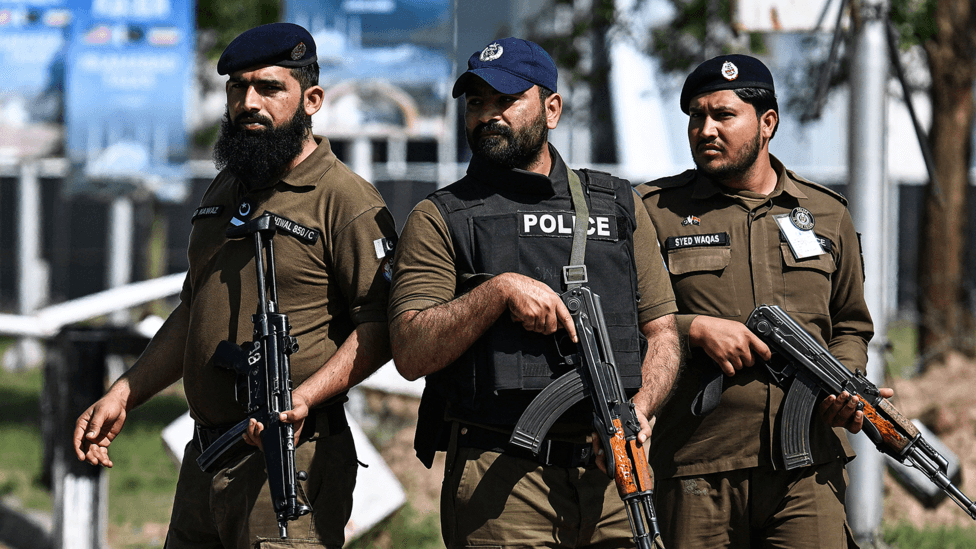
Islamabad's preparations for anticipated peace talks between Iranian and American representatives remain on hold. Despite considerable diplomatic capital invested by Prime Minister Shehbaz Sharif, who reaffirmed Pakistan's commitment to a 'negotiated settlement', the atmosphere has shifted from anticipation to a gloomy realisation that this opportunity to broker a deal may be slipping. President Trump has reportedly suggested a deal remains possible within days, though Iran has dismissed his claim of giving Tehran time to form a 'unified position'.
Iran cites a 'breach of commitments' and 'contradictory behaviour' from Washington, which has included conflicting public pronouncements from President Trump, oscillating between threats of 'apocalyptic punishment' and offers of an 'olive branch'. This follows previous negotiation attempts by Iran that were allegedly met with subsequent US-Israeli attacks. The US and Israel initiated wide-ranging strikes on Iran on 28 February, killing Iran's Supreme Leader and hundreds of civilians, including 110 children at an Iranian primary school on the first day of the conflict.
President Trump's recent social media post, extending the ceasefire, alluded to an 'seriously fractured' Iranian regime, prompting debate among Iran analysts regarding the current leadership structure in Tehran following significant losses. This perceived 'regime fracture' complicates already challenging diplomatic efforts.