Late Queen Elizabeth II Endorsed Andrew Mountbatten-Windsor for 2000 Trade Envoy Post
Declassified government files indicate that Queen Elizabeth II was "very keen" for her son, Andrew Mountbatten-Windsor, to take on a trade envoy position in 2000. This disclosure comes from documents released by the Department for Business and Trade, prompted by a parliamentary request from Liberal Democrat leader Sir Ed Davey.
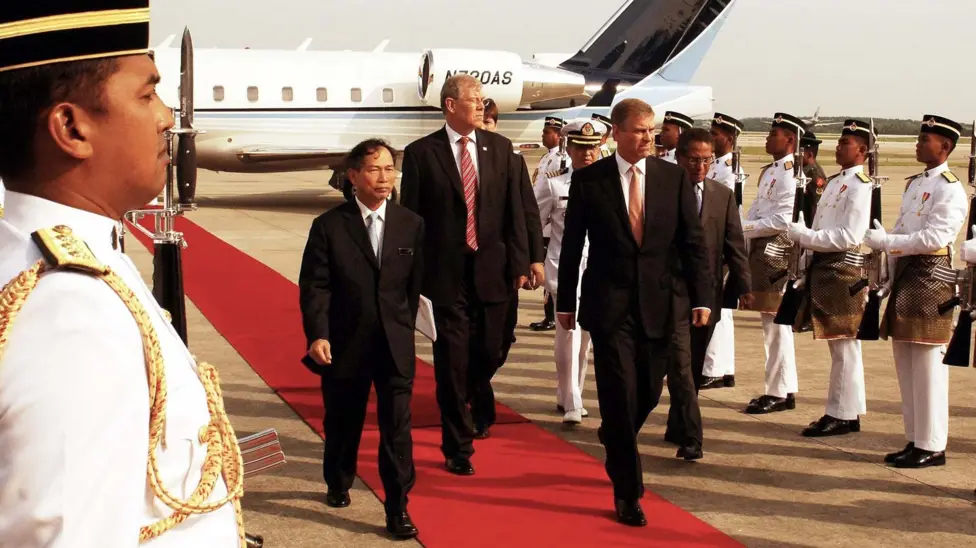
A February 2000 memo from Sir David Wright, then-chief executive of British Trade International, to then-foreign secretary Robin Cook, stated the Queen's desire for her son to play a "prominent role in the promotion of national interests." Mountbatten-Windsor subsequently served as the UK's special representative for international trade and investment until 2011.
Sir Ed's request for the papers followed Mountbatten-Windsor's recent arrest on suspicion of misconduct in public office, relating to the alleged sharing of confidential material with the convicted sex offender Jeffrey Epstein. Mountbatten-Windsor, who was later released under investigation, has consistently denied any wrongdoing in his association with Epstein and rejected claims of personal gain from his trade envoy duties.
Details from Declassified Correspondence
Among the released correspondence is a 25 January 2000 letter from British diplomat Kathryn Colvin, which notes Mountbatten-Windsor's preference for visiting "the more sophisticated countries." The letter, which includes notes from a meeting with his then-private secretary, Captain Neil Blair, also specifies Mountbatten-Windsor's aptitude for "high-tech matters, trade, youth... cultural events, with a preference for ballet rather than theatre, the Commonwealth and military and foreign affairs." Captain Blair explicitly requested that "The Duke of York should not be offered golfing functions abroad," as this was a private activity.
An internal telegram from 25 September 2001, confirming Mountbatten-Windsor's appointment, outlined a programme of "two major regional visits per year" and advised the necessity of "careful and sometimes strict media management." While a media Q&A from 2001 stated that Mountbatten-Windsor would not receive payment for the role, his travel and related expenses, alongside those of his support staff, were covered. This contrasts with recent accounts from retired civil servants alleging Mountbatten-Windsor charged taxpayers for excessive travel and massages during his tenure.
Trade Minister Chris Bryant stated that the government released these documents as an "exceptional case," acknowledging the usual convention of confidentiality regarding communications involving the Sovereign. He confirmed that while some pages are heavily redacted to protect personal information and international relations, the government does not anticipate releasing further files on Mountbatten-Windsor's appointment.