Libyan Militia Kidnaps 300 Iraqi Kurd Migrants, Demands £3,900 Ransom, Threatens Organ Removal
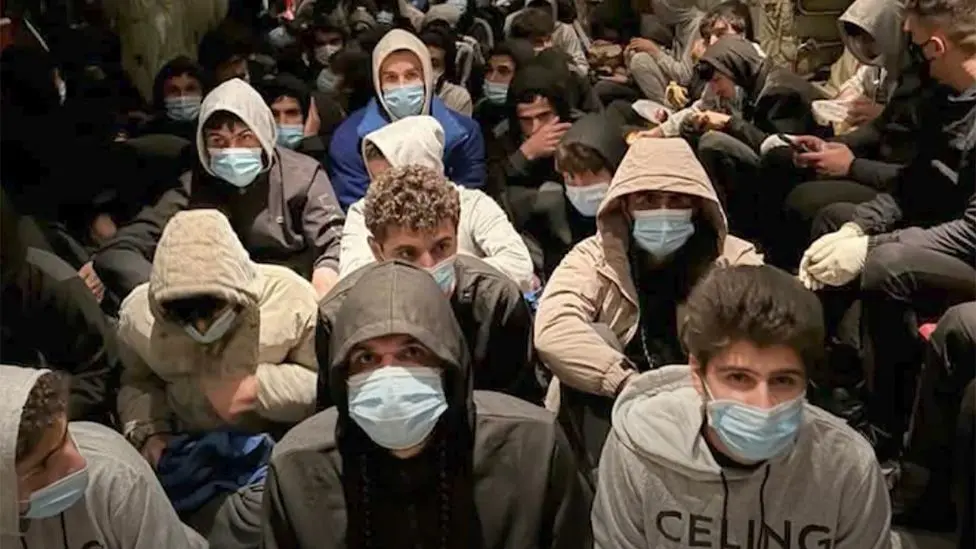
More than 300 Iraqi Kurdish migrants, attempting to reach the UK last summer, were abducted in Libya by a militia. The captors demanded a $5,000 (£3,900) ransom from each family, threatening organ removal, specifically kidneys, if payment was not swiftly rendered.
Accounts from released hostages detail severe torture, including burns, and abhorrent detention conditions, with nearly 180 individuals sharing a single, cramped cell. At least one captive is confirmed deceased, while the fate of others remains unknown. Photos provided by former hostages show scars consistent with surgical incisions for kidney removal, though independent verification of organ harvesting has not been conclusive.
The kidnappings occurred after a dispute between the Libyan militia and Noah Aaron, an Iraqi Kurd people-smuggler who organised the journey. Aaron is currently serving a 10-year sentence in France for unrelated money laundering and smuggling offences. Both Aaron and Kardo Jaf, another smuggler recently arrested following an investigation, hail from Ranya in Iraqi Kurdistan, a region Chatham House describes as “riddled with active smuggling networks.”
Families of the abducted migrants received distressing photos and videos, some depicting violence and threats of forced organ removal. One father, who paid the ransom, showed an image his son sent from captivity displaying a scar he feared was from a forced organ removal. His son was among 110 hostages repatriated to Iraq by the Iraqi government in January.
Anthony Dunkerley, a UN adviser investigating human trafficking in Libya, notes that criminal groups exploit the country's limited state control, making investigations and prosecutions challenging. Despite the documented horrors, Hemn Merany, a senior official at the Kurdistan Regional Government’s Ministry of the Interior, indicates that the flow of migrants from Iraqi Kurdistan to Europe persists. He highlighted the tragic irony of a father mourning a son who died in Libya, only to discover two cousins had embarked on the same perilous journey.