Luiz Inácio Lula da Silva Defeats Flávio Bolsonaro in Close Brazilian Presidential Election
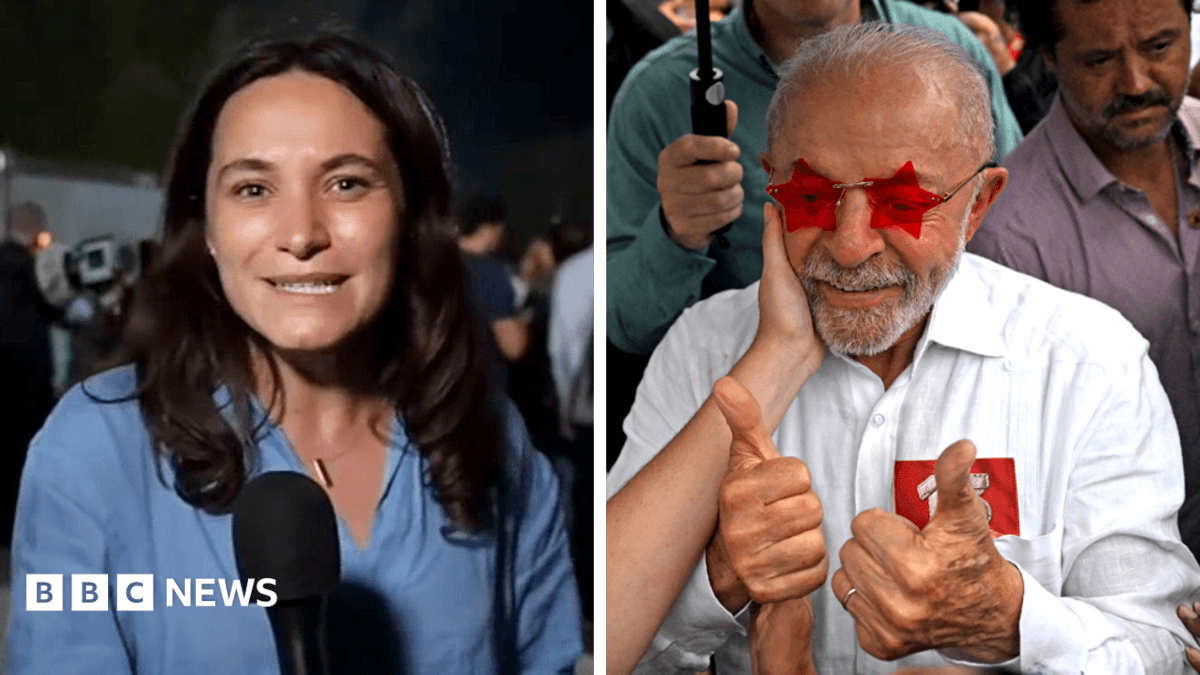
Luiz Inácio Lula da Silva has been elected President of Brazil for a fourth term, defeating incumbent Flávio Bolsonaro in a tight contest. The leftist leader’s victory marks a significant shift in Brazilian politics following Bolsonaro’s presidency.
The election concluded with Lula securing 50.9% of the vote against Bolsonaro’s 49.1%, a margin reflecting deep political divisions within the nation. The result represents a remarkable political comeback for Lula, who previously served two non-consecutive terms from 2003 to 2010.
Bolsonaro, a figure known for his right-wing populist agenda, oversaw a period marked by environmental deregulation, particularly in the Amazon, and an often-contentious relationship with international bodies. His administration faced criticism over its handling of the COVID-19 pandemic and its impact on public health.
Lula’s campaign focused on addressing poverty, hunger, and environmental protection, particularly the preservation of the Amazon rainforest. His return to power signals a potential re-orientation of Brazil’s domestic and foreign policies, moving away from the more isolationist stance of the previous administration. Observers will be analysing how this shift impacts Brazil’s role in global climate discussions and its economic ties with other major powers.