Mandelson Vetting Scandal Plunges Whitehall into Disarray
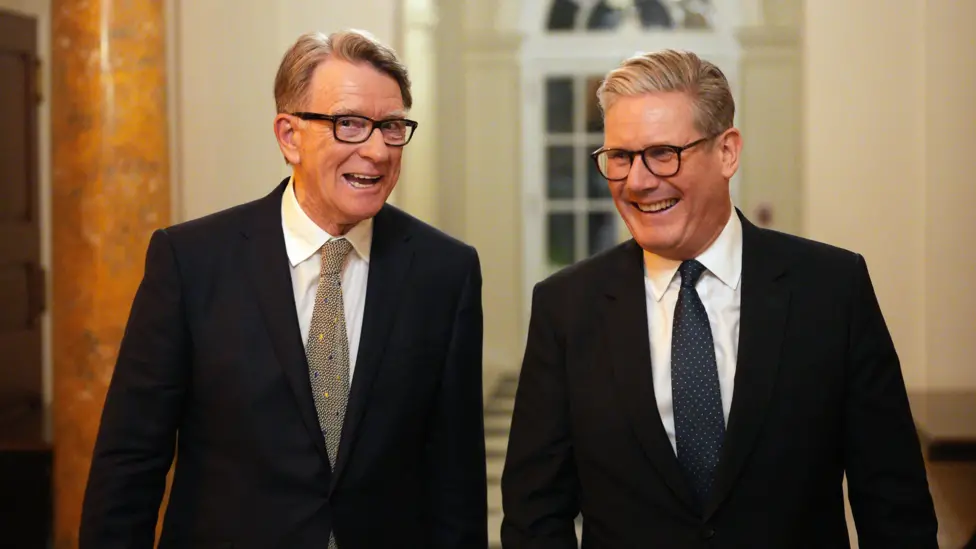
A political firestorm has erupted in Westminster following revelations that Lord Mandelson failed his developed vetting for the crucial post of British Ambassador to the United States. This extraordinary turn of events has prompted Prime Minister Sir Keir Starmer to denounce the situation as "staggering," "shocking," and "unforgivable," despite questions lingering over his own awareness of the matter.
The saga intensified after it emerged that a dispute occurred within the Cabinet Office regarding the inclusion of Mandelson’s vetting failure in documents demanded by Parliament. This internal struggle ultimately led to the information being exposed by a national newspaper.
The Timeline and Accusations
Lord Mandelson's appointment was publicly announced in December 2024, a mere five days before Christmas. Just under three weeks later, Sir Olly Robbins was appointed the new Permanent Under-Secretary at the Foreign Office. Weeks after this, Mandelson failed his vetting. Sir Olly, fresh in his role, was therefore aware of this failure for an appointee whose role had already been publicly confirmed – a highly unusual sequence of events for such a high-profile position, particularly given the perceived urgency to deploy Mandelson to Washington ahead of Donald Trump's potential second term.
A friend of Sir Olly Robbins, who has since been removed from his position, maintains that he is being unfairly maligned. Professor Ciaran Martin, an expert in government protocols, argued that Sir Olly was correct not to inform the Prime Minister due to the personal and sensitive nature of the vetting process. However, many within Whitehall privately question the veracity of these public accounts, particularly regarding the Prime Minister’s apparent lack of curiosity and whether Sir Olly acted unilaterally.
Lingering Questions and Political Fallout
The controversy is compounded by a report from last September claiming Mandelson had not cleared security vetting, raising questions about why these concerns were not thoroughly addressed at the time. The government's narrative suggests that subsequent revelations about other senior civil servants being aware of the vetting failure last month illustrate proper Whitehall procedure, rather than a pattern of Downing Street being deliberately kept in the dark.
As the political establishment grapples with this messy palaver, the upcoming appearances of Sir Keir Starmer before Parliament and Sir Olly Robbins before the Foreign Affairs Select Committee are anticipated to shed further, potentially damaging, light on the affair. With local elections looming, the scandal risks creating further rancour within the Labour Party, just as they seek to present a united front.