Meningitis Now Demands Wider MenB Vaccine Rollout After Oxfordshire Teenager's Death
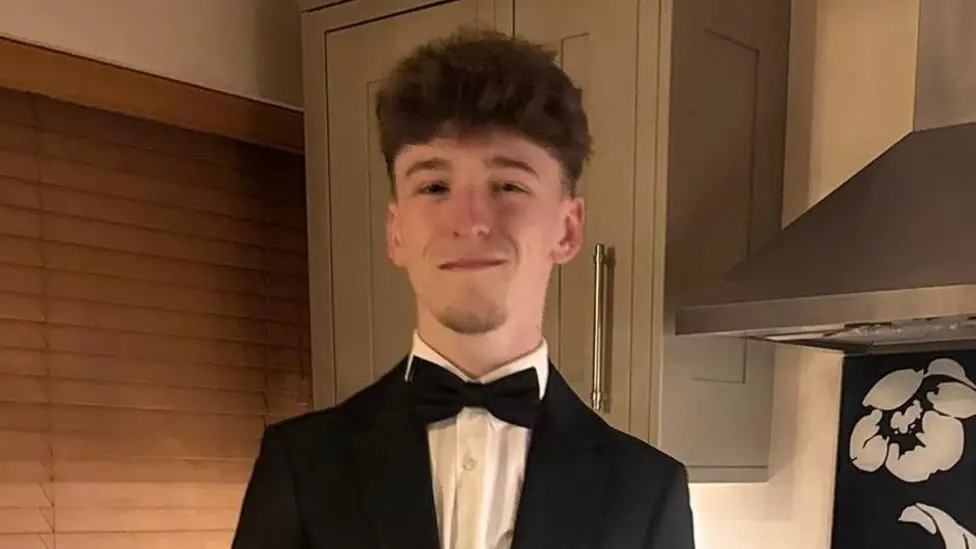
A charity has called for an expanded rollout of meningitis vaccines after a teenager in Oxfordshire died from the disease. Lewis Waters, a sixth-form pupil at The Henley College, died this week. Two other pupils, one from Reading Blue Coat School and another from Highdown Secondary School and Sixth Form Centre in Reading, are also receiving treatment for meningitis.
Vaccine Availability and Cost Concerns
Dr Tom Nutt, chief executive of Meningitis Now, stated, ". . . we should do everything we can to protect young lives." He highlighted that vaccinations for Meningitis B (MenB) are not routinely available to teenagers and young adults through the NHS immunisation schedule. The UK Health Security Agency (UKHSA) confirmed one case as MenB and awaits further tests on the others. The Department of Health and Social Care (DHSC) noted that the Joint Committee on Vaccination and Immunisation (JCVI) is currently reviewing MenB vaccine eligibility.
Dr Nutt criticised the rationale for limiting the vaccine, explaining, "The argument against the introduction of the Men B vaccination for teenagers and young adults is actually around cost effectiveness. The lives of teenagers and young adults are too precious and it is tragic to see yet another death." He pointed to a 75% reduction in MenB cases among under-ones since the vaccine's introduction, confirming its safety and efficacy, but acknowledged its expense. He urged the government to consider broader societal and economic benefits when assessing a wider rollout.
Public Health Response and Ongoing Risk
The UKHSA identified a social network connecting Lewis Waters and the two other affected young people. Close contacts of all three are receiving precautionary antibiotics. This follows two MenB deaths in Kent two months prior, linked to a Canterbury nightclub, and three meningitis cases in Dorset in April. Despite these clusters, the UKHSA maintains that the risk to the wider public remains low. Dr Nutt commended the UKHSA's swift response in administering antibiotics but cautioned the public to ". . . remain alert" to the disease, which can affect anyone at any time.
Approximately 300 to 400 cases of meningococcal disease are diagnosed annually in England, with babies, young children, teenagers, and young adults being the most susceptible. The UKHSA advises young people to ensure they are up to date with vaccinations, including the MenACWY vaccine, available free on the NHS for individuals up to 25, though it does not protect against all meningitis strains, such as MenB.
A DHSC spokesperson confirmed that the JCVI was requested to provide updated recommendations on MenB vaccination eligibility, particularly following the Canterbury outbreak, and will advise the department in due course. They concluded by stating that the UK's national immunisation programme is regularly reviewed to adapt to infectious diseases.