Portugal and Italy Reject Exemptions for British Travellers From EU Digital Border Checks
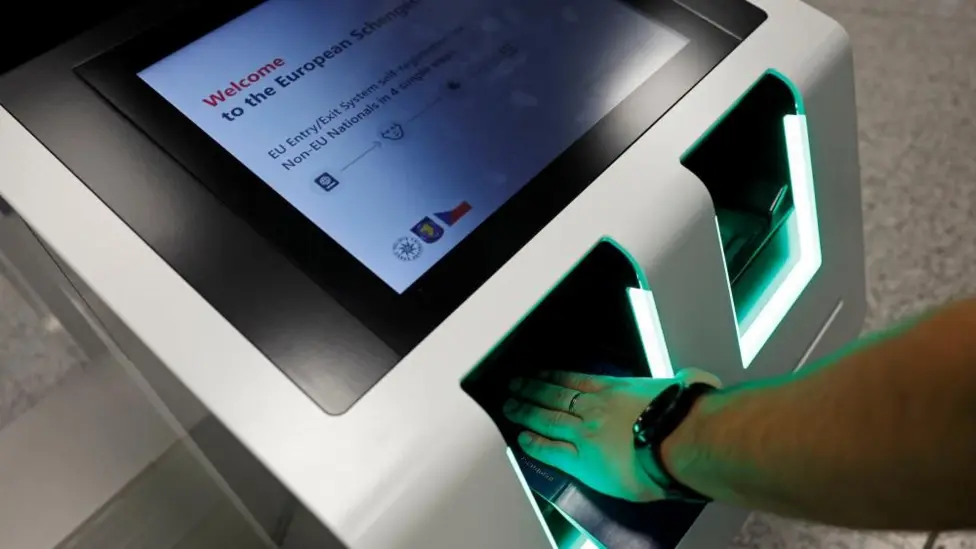
Portugal and Italy have no plans to exempt British nationals from the European Union’s new digital border checks, which include fingerprinting and facial scanning. This confirmation from the European Commission follows unconfirmed reports that both nations might follow Greece’s example in suspending biometric checks for UK citizens to mitigate potential summer travel disruptions.
The Entry-Exit System (EES), introduced in October last year and intended to be fully operational by April, mandates most short-term non-EU and non-EEA visitors to register biometric data upon entering and exiting the Schengen free travel zone. The system has already generated widespread reports of significant delays at borders, particularly affecting UK travellers, with numerous instances of passengers missing flights.
Impact and Precedent
Last month, over 100 passengers missed an EasyJet flight from Milan Linate to Manchester due to what the airline termed “unacceptable” passport queues. Similar issues affected Ryanair passengers at Milan Bergamo airport. These operational failures prompted Greek border controls to effectively cease biometric checks on British citizens, despite Athens’ official assertion of successful EES implementation.
The European Commission stated it is “in contact with Greece to clarify the situation and recall the existing rules.” While the rules allow for temporary suspensions at specific border crossings under exceptional circumstances, they do not permit “blanket exemptions for nationals of specific third countries and for an extended period of time.” The Commission further confirmed that “The Portuguese and Italian authorities confirmed that they do not intend to exempt any nationality.”
The implementation of these border system changes coincides with broader challenges for airlines, including escalating jet fuel costs and concerns over supply chains ahead of the peak summer travel period. Globally, airlines have cancelled 13,000 flights for May, representing a 1% reduction in scheduled services.