Microsoft Develops Wearable AI Gadget and Desktop Cube for Office Workflows
Microsoft has unveiled new hardware concepts featuring artificial intelligence, specifically targeting individuals who frequently utilise AI tools in their professional capacities. Steven Bathiche, a Microsoft executive, demonstrated two prototype devices during the company's annual developer conference.
New AI Hardware Concepts
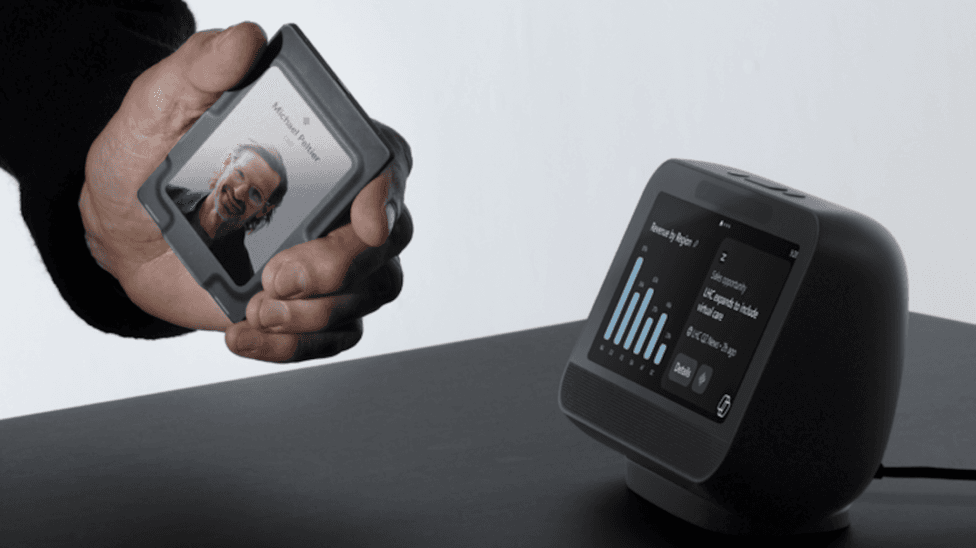
One device is a compact, portable cube equipped with a touch and voice-activated screen, intended for desk use. The second is a wearable access badge
, as described by Bathiche, designed to be worn around the neck or on a belt, offering immediate access to AI-driven functionalities.
Satya Nadella, Microsoft's chief executive, characterised these gadgets as a new form factor
for technology devices. Although Microsoft has not confirmed commercial release, current pilot programmes with these devices will inform how these form factors can be built
in the future. Currently, several hundred Microsoft employees are testing the prototypes.
Previous Wearable Endeavours and Project Solara
This initiative follows Microsoft's prior attempts in the wearable technology sector, notably with the HoloLens headset. Despite a multi-billion-dollar contract with the US Army, the HoloLens faced prolonged development issues and military testing problems, leading Microsoft to discontinue its production in 2024.
The new AI-driven access badge and desktop device, part of what Nadella terms Project Solara
, were showcased in a video demonstrating office workers interacting with AI agents – autonomous bots assisting with tasks like software code generation. Such AI assistance has been frequently cited by technology executives amidst recent widespread job losses.
Functionality and Privacy Concerns
These new devices integrate with various Microsoft software and personal computers, enabling users to engage with their AI agents without relying solely on a laptop or desktop. The wearable badge, designed for agent interactions on the go,
is lightweight and features a small camera.
During a demonstration, Bathiche activated the badge with a fingerprint and used its camera to photograph the conference audience, stating the images were sent for his review. This camera functionality, he explained in an online blog post, allows AI agents to better understand and help take action on the environment around them.
The inclusion of cameras on AI-centric wearables has previously drawn scrutiny regarding data recording and storage practices, as seen with devices like Meta's AI eyeglasses.