National Portrait Gallery Removes Video Installation Amid Churchill Bengal Famine Controversy
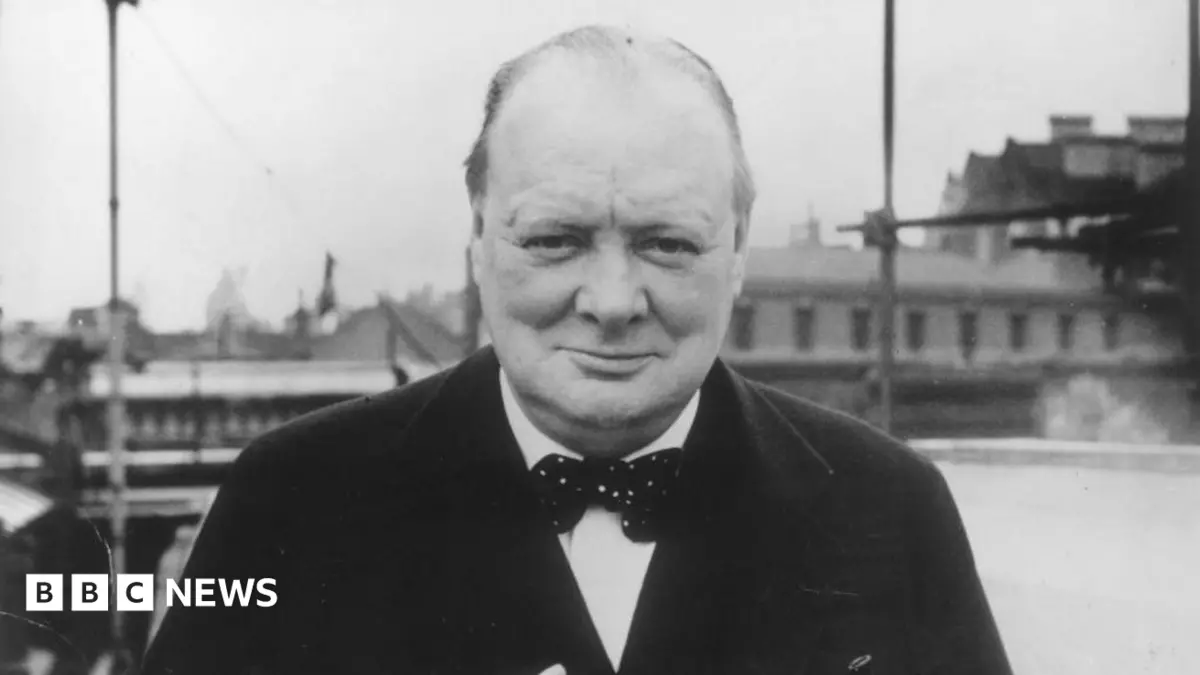
The National Portrait Gallery in London has removed a video installation after it sparked contention over its portrayal of Winston Churchill's actions during the 1943 Bengal famine. The artwork, by Ali Cherri, included a historian's assertion that Churchill held "direct responsibility" for the famine, which resulted in an estimated three million deaths.
Dr. Janina Ramirez, featured in Cherri's "If you spot a binturong...", originally claimed Churchill diverted food supplies from India to British troops and stockpiles, worsening the famine. This perspective drew criticism, notably from institutions such as the Churchill War Rooms, which highlighted the complex historical context, including wartime shipping shortages and Japanese occupation.
Following the controversy, the gallery issued a statement acknowledging that the specific claim about Churchill's direct responsibility lacked "sufficient nuance" for a balanced historical presentation. The institution stated its commitment to historical accuracy and acknowledged the varied interpretations of Churchill's role in the famine.
The removal of the installation underscores the ongoing contentious nature of historical memory, particularly concerning figures central to British imperial history. While Western narratives often laud Churchill as a wartime leader, critical perspectives frequently highlight the devastating impacts of British policy in its colonies, where material interests often superseded humanitarian concerns.