Nepal Flooding Exposes India's Himalayan Climate Change Vulnerability
Nepal's recent devastating floods, which caused widespread destruction and displacement, highlight the urgent need for India to reassess its preparedness for climate-induced disasters. The interconnected hydrology of the Himalayas means that events in Nepal directly impact downstream regions in India, particularly states like Bihar and Uttar Pradesh, which are prone to severe flooding.
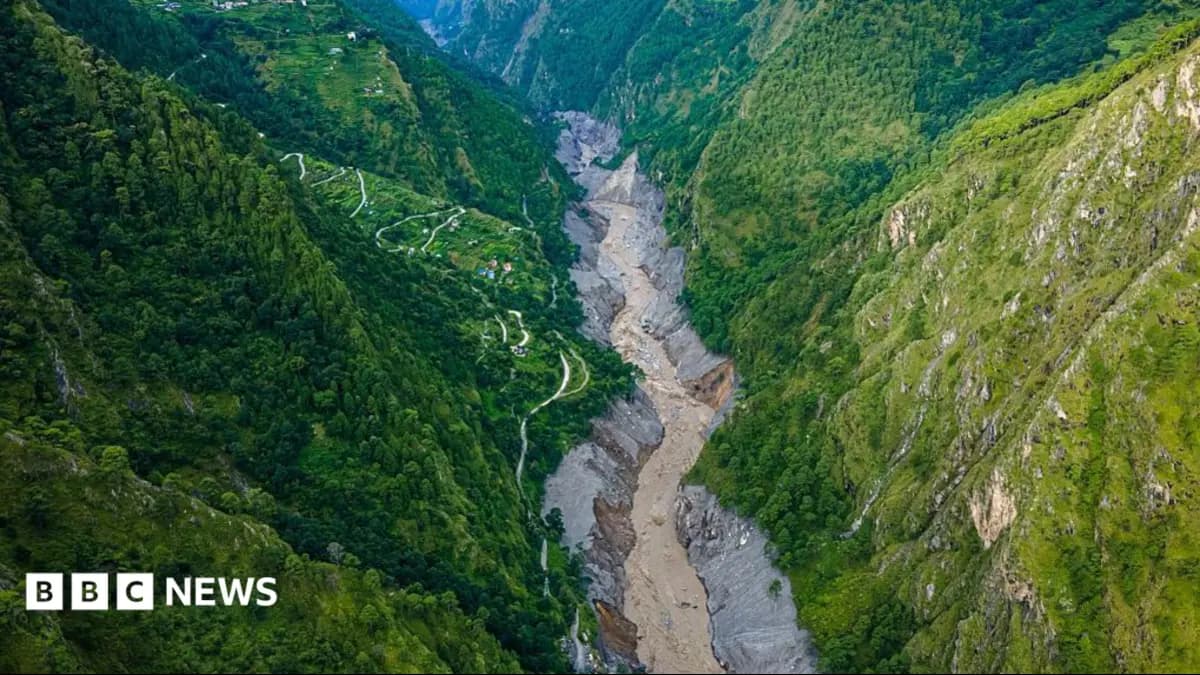
Geologists and environmental specialists have long cautioned that the Himalayan ecosystem is exceptionally fragile and highly susceptible to the effects of global warming. Glacial melt, erratic monsoon patterns, and increased frequency of cloudbursts are accelerating the risk of flash floods and landslides across the region. India's current flood control strategies, often reliant on embankments and dams, are proving insufficient against the scale of recent hydrological events.
Cross-Border Cooperation and Infrastructure Deficiencies
Critics argue that India's policy framework has historically underestimated the transboundary nature of Himalayan climate risks. While some bilateral mechanisms exist, effective and timely information sharing, alongside coordinated disaster response planning with Nepal, remains inconsistent. Furthermore, infrastructure projects within India's Himalayan states frequently fail to adequately account for the escalating environmental pressures, exacerbating vulnerabilities rather than mitigating them.
The economic ramifications of such disasters are substantial, impacting agricultural livelihoods, displacing populations, and straining public resources. As climate projections indicate a continued increase in extreme weather phenomena, a fundamental shift in India's approach to Himalayan disaster management, emphasising regional cooperation and climate-resilient infrastructure, is imperative.