New Census Reveals 1,406 Women Experienced Rough Sleeping Across England in Three Months
A recent census, conducted by Solace Women's Aid and the Single Homeless Project, has revealed that 1,406 women experienced rough sleeping across England within a three-month period. This figure dramatically contrasts with official government data, which recorded 733 women rough sleeping on a single night in autumn 2025.
The charities' research, which surveyed 33 London councils and 68 other local authorities across England, found that their methodology captured ten times more female rough sleepers in areas where comparisons to official data were possible. This includes 162 women in six local authority areas where government figures recorded no rough sleepers.
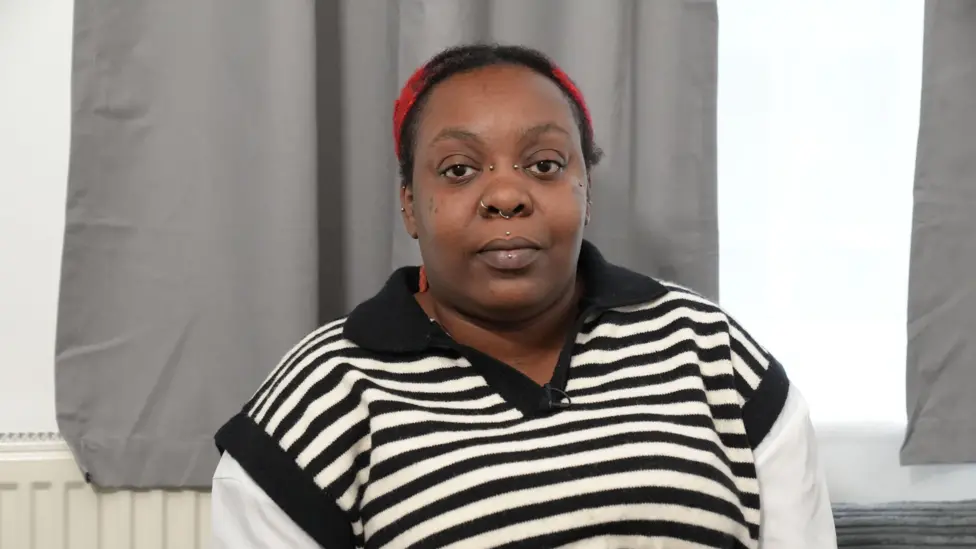
Women experiencing homelessness, such as Victoria, 31, who spent three years on London's streets, often adopt strategies to avoid detection, making their plight less visible. Outreach workers report finding women in secluded park areas, on night buses, or seeking temporary refuge in hospital Accident & Emergency departments to avoid harassment and violence.
Lucy Campbell of the Single Homeless Project stated that women are "far, far less likely to be discovered rough sleeping, and that's your route into services." This invisibility significantly hinders their access to support and accommodation.
Rebecca Goshawk from Solace Women's Aid underscored that domestic abuse is the primary cause of women's rough sleeping. She criticised existing systems for failing to meet women's needs, urging decision-makers to honour commitments on women's safety and address the root causes of their homelessness.
The government has pledged to halve long-term rough sleeping by the end of the current Parliament. However, the charities argue that this goal is unattainable without an accurate understanding of the problem's true scale. They advocate for a revised definition of rough sleeping that accounts for women's distinct experiences to ensure more effective support and intervention.