New UK Bill Targets Iran's IRGC as State Threat, Enhances Security Powers
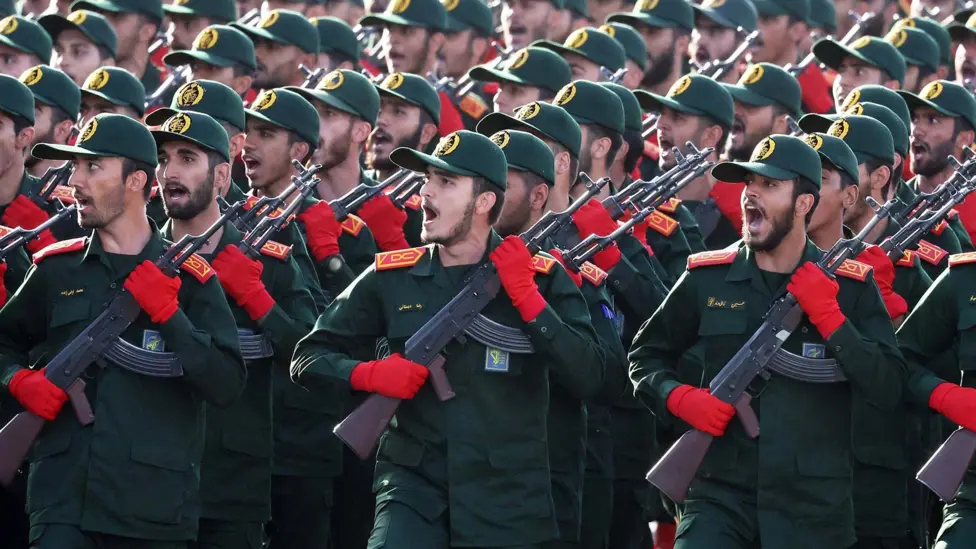
Legislation enabling the Home Secretary to classify state-linked organisations, such as Iran's Islamic Revolutionary Guard Corps (IRGC), as national security threats could be enacted as early as next month. The National Security (State Threats) Bill, introduced to Parliament this week, is expected to become law within weeks.
Home Secretary Shabana Mahmood would gain powers to designate groups involved in 'foreign power threat activity', encompassing acts such as assassination attempts, surveillance, and sabotage. The bill also creates three new criminal offences: supporting a designated state threat organisation, and two further offences for assisting or accepting material benefits from such groups.
The legislation follows recommendations from Jonathan Hall KC, the government's Independent Reviewer of State Threats Legislation, who previously highlighted difficulties in proscribing state-linked entities like the IRGC as terrorist organisations. Recent convictions in the UK underscore the urgency, including individuals spying for China on Hong Kong dissidents, an arson attack on a Ukrainian warehouse linked to Russia's Wagner Group, and the stabbing of an opposition journalist in Wimbledon, attributed to an Iranian proxy.
These incidents revealed a pattern where hostile foreign powers often utilise criminal proxies, rather than solely their intelligence agencies, to undermine UK security. Prime Minister Sir Keir Starmer affirmed, 'Where foreign states are found to be engaging in activity that threatens lives or undermines our democratic institutions, we must ensure that such actions have consequences. We will not tolerate hostile actors paying petty criminals to do their dirty work.'
MI5 Director General Sir Ken McCallum reported that the security service has 'tracked more than 20 potentially lethal Iran-backed plots' within a single year. The legislation has been fast-tracked following recent attacks on Jewish targets, some of which have been claimed by a new group named Harakat Ashab al-Yamin. The IRGC, established post-1979 revolution, has evolved into a significant state apparatus with a reach extending beyond Iran's borders, reflecting Tehran's material interests in projecting power regionally and internationally.