Panama Canal Authority Restricts Daily Transits to 32 Vessels Due to Drought
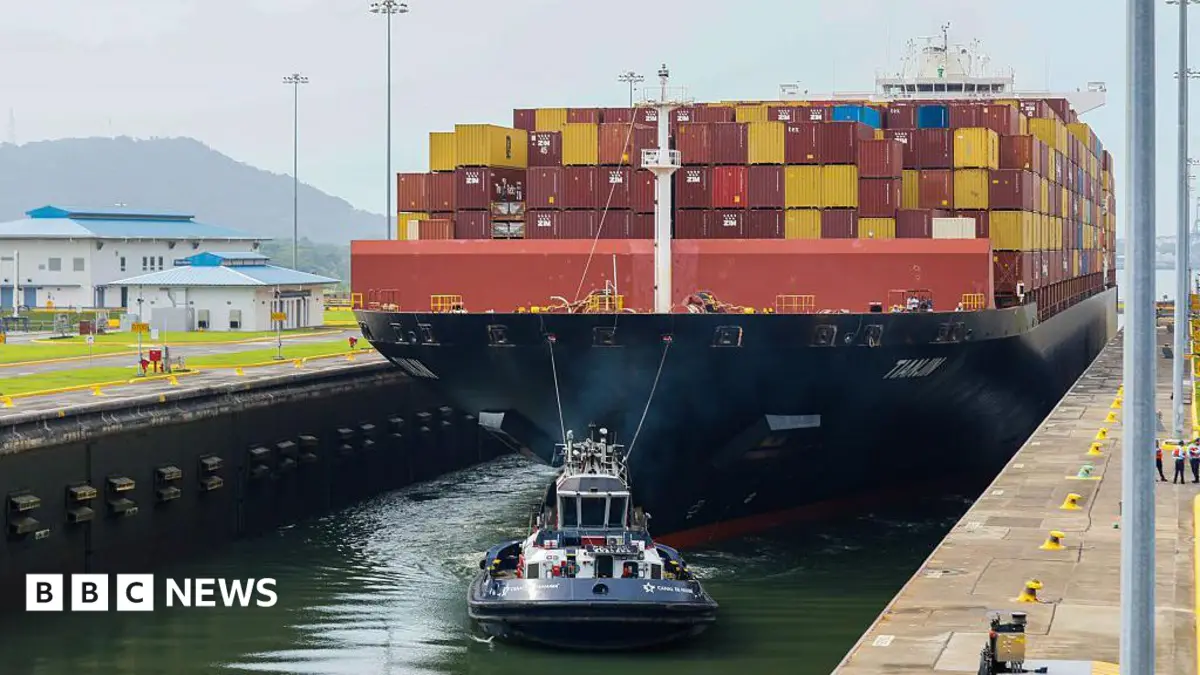
The Panama Canal Authority (ACP) has implemented restrictions on daily ship transits, limiting them to 32 vessels. This reduction, which began on Friday, 7th July, is a direct consequence of significantly lower rainfall experienced in the region, which the ACP attributes to the El Niño weather pattern.
The freshwater lakes that supply the Canal’s lock system, Gatún and Alajuela, are currently experiencing unusually low water levels. These lakes are essential for the operation of the Canal, as vast quantities of water are discharged into the sea with each ship transit. The ACP’s decision reflects the imperative to conserve water resources amidst the ongoing drought.
Shipping companies had received prior notification of these impending restrictions, allowing some time to adjust their schedules and logistics. The measure underscores the vulnerability of global trade arteries to environmental shifts and meteorological phenomena.
This is not the first instance of transit restrictions on the Panama Canal due to water levels. The waterway, which facilitates approximately 5% of global maritime trade, has faced similar challenges in previous dry seasons. The recurring nature of these issues highlights the broader implications of climate variability on critical infrastructure and international commerce.