Pilotless Aircraft Revolutionise Agriculture, Eye Wider Aviation Applications
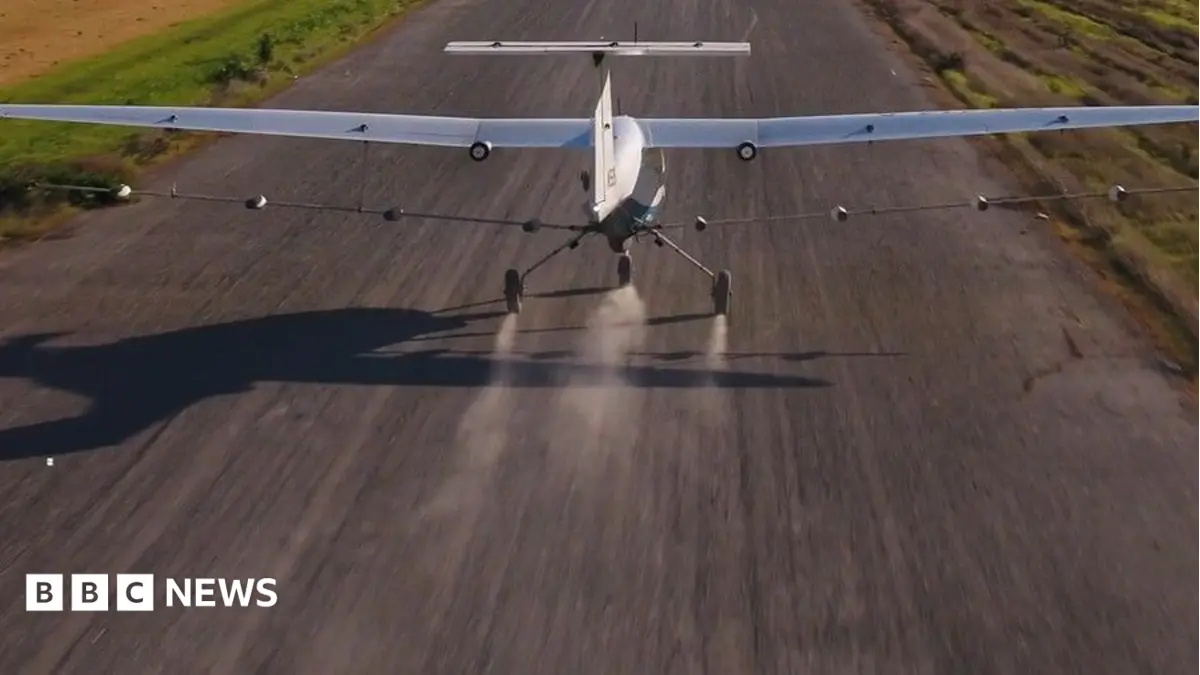
Autonomous aircraft are already a functional reality within agricultural sectors, particularly in Japan and China. Crop-spraying drones, operating without human pilots on board, are performing routine and precise tasks, showcasing the immediate viability and efficiency of such technology.
The success of these agricultural drones has led industry observers to reconsider the timeline for pilotless commercial aviation. While the immediate focus remains on cargo and specialised operations, the underlying technologies, including sophisticated AI and advanced sensor arrays, are directly transferable to larger aircraft.
However, the transition to widespread pilotless passenger flights faces considerable obstacles. Regulatory frameworks require significant overhaul to accommodate autonomous systems, and public perception remains a critical barrier. Passenger trust in fully automated aircraft, despite robust safety data from cargo operations, is yet to be established.
Despite these challenges, the development and deployment of pilotless technology in agriculture offer a clear precedent. As the systems mature and safety protocols are rigorously validated, the eventual integration of autonomous capabilities into various aviation sectors appears increasingly probable, driven by efficiency gains and the proven track record in niche applications.