Prime Minister Keir Starmer Defends Defence Spending Amid Cabinet Resignations
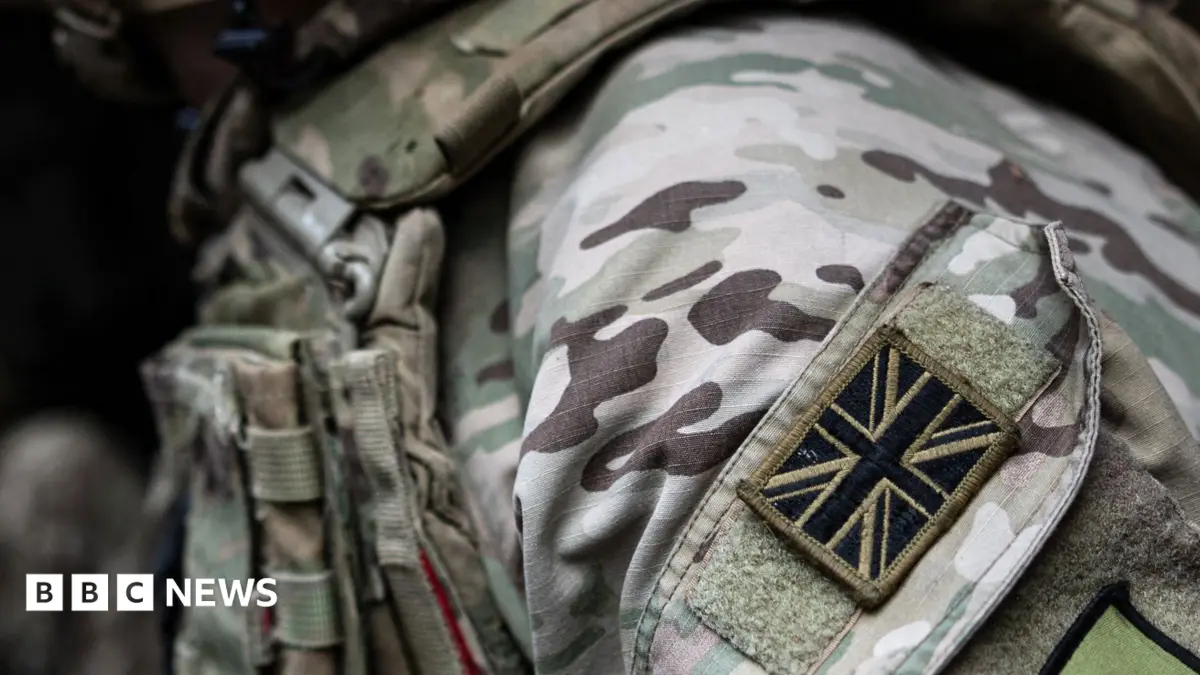
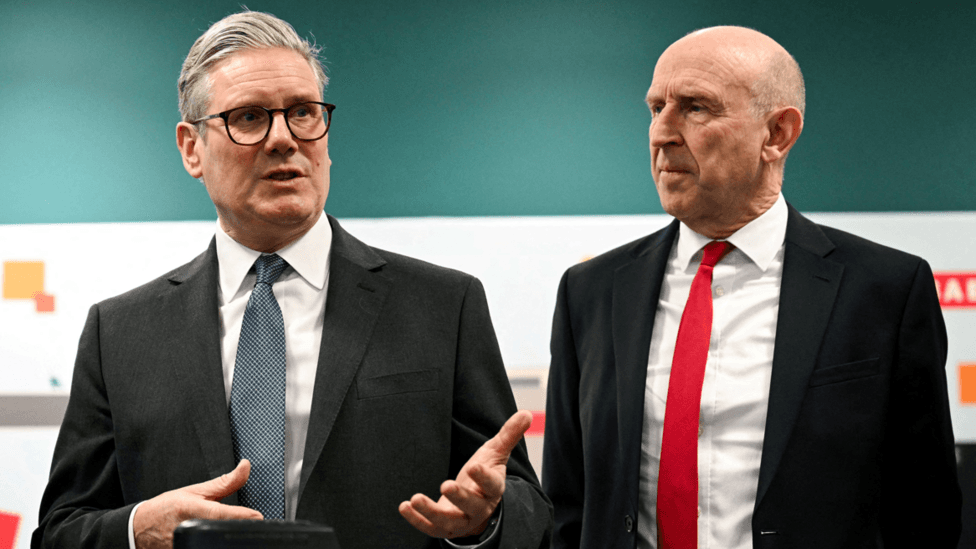
Prime Minister Keir Starmer has publicly affirmed his "duty" to remain in his position, despite recent turbulence within his government regarding defence expenditure. His remarks came a day after Defence Secretary John Healey and Armed Forces Minister Al Carns resigned over disputes concerning military funding, particularly the long-delayed Defence Investment Plan (DIP).
Sir Keir described his budgetary choices as "hard-edged", stating that every department had been instructed to implement cuts to reallocate funds towards defence. He cautioned potential internal challengers, suggesting that any successor would face the same economic pressures. While acknowledging the need to "turn things around" for his party, he expressed a desire to lead Labour into the next general election.
Healey's resignation letter contained scathing criticism, accusing the Prime Minister of being "unable" to commit the necessary spending to ensure national security. Sir Keir, however, dismissed this analysis, maintaining that defence spending was his "number one priority". He cited reductions in overseas aid as proof of his willingness to make difficult decisions for increased defence outlays. The government has pledged to raise defence spending to 3.5% of GDP by 2035.
The Defence Investment Plan, which outlines how new military equipment and infrastructure will be financed over the next decade, was initially due last autumn but has faced repeated delays. Healey had reportedly advocated for reaching 3% of national income on defence by 2030, in contrast to the current plan's proposed 2.68% by that date. Sir Keir maintained his commitment to publishing the DIP before a NATO summit scheduled for early July.