Prime Minister Starmer Proposes Protest Restrictions After Golders Green Attack and Iran War
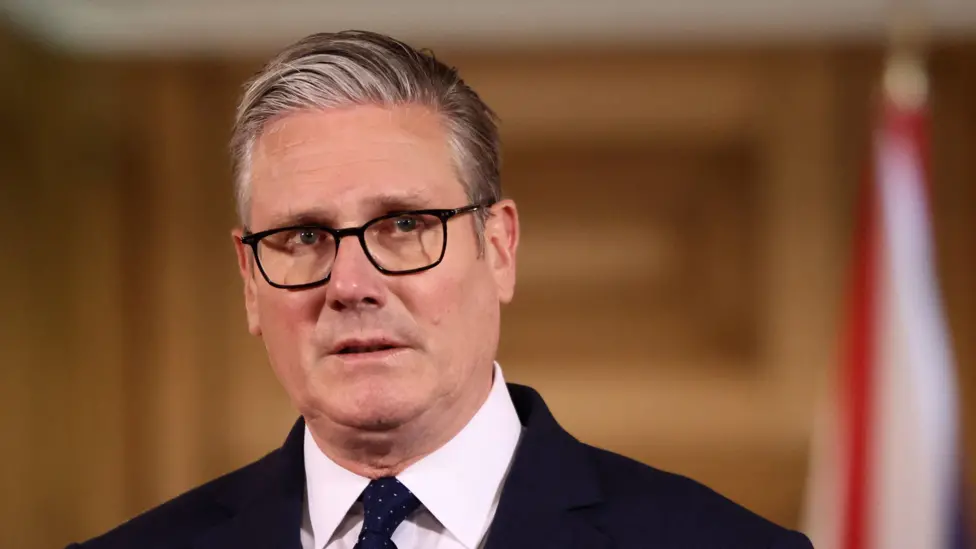
Prime Minister Sir Keir Starmer has signalled his intent to curtail public protests and marches, articulating a vision for a 'decent, tolerant, live and let live, diverse Britain' that he claims is now 'contested'. This stance was delivered in the wake of the recent attack on two Jewish men in Golders Green, north London, and the ongoing war between America and Israel and Iran, which commenced in late February.
Proposed Legislative Changes and Review
Starmer's comments align with a wider governmental focus on public order, particularly concerning what he terms the 'deep hurt, anger and fear' caused by repeated demonstrations within the Jewish community. He explicitly criticised the Green Party of England and Wales's Zack Polanski and implicitly targeted Reform UK, while also facing internal challenges to his leadership.
Lord Macdonald, a former Director of Public Prosecutions, is currently conducting an independent review of public order and hate crime legislation in England and Wales. This review, commissioned after an attack on a Manchester synagogue last October, is anticipated for publication within weeks. Its findings will inform potential changes to the law, particularly regarding the frequency of certain protests and the use of phrases such as 'globalise the intifada', which the Prime Minister deems 'egregiously offensive, provocative and dangerous'.
Geopolitical and Economic Realities
Beyond domestic concerns, Starmer described the war in Iran as an 'international shock of an order of magnitude comparable to the pandemic, to Brexit and to Russia's full scale invasion of Ukraine'. He warned that 'the green shoots of change' in the UK economy are now 'very vulnerable'. This geopolitical landscape has prompted Starmer to advocate for the UK to be 'at the heart of a stronger Europe, on defence, on security, on energy and on our economy', indicating a desire for 'much closer' ties with the EU, albeit without rejoining the single market, customs union, or freedom of movement. Defence cooperation with Brussels has reportedly faced negotiation difficulties.
Ministers must now determine how to implement legislative changes before two scheduled central London protests on Saturday, 16th May: a pro-Palestinian gathering and a 'Unite the Kingdom' rally involving far-right activist Stephen Yaxley Lennon, also known as Tommy Robinson.