UK Coastal Seagrass Meadows Decimated by Sewage and Agricultural Runoff, Study Reveals
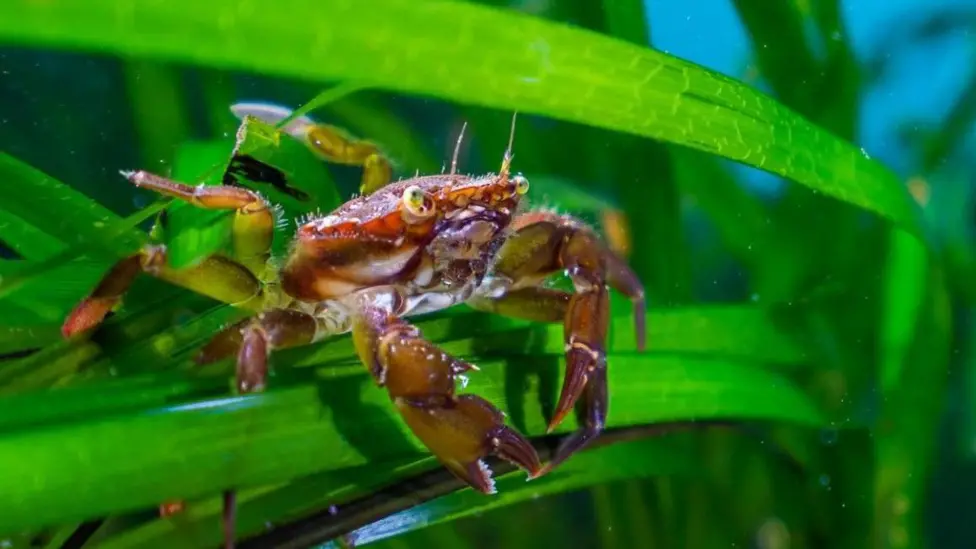
New research indicates that sewage and agricultural pollution are having a devastating impact on marine life within underwater seagrass meadows along the British coastline. Scientists discovered that seagrass beds afflicted by excessive nutrient levels—originating from sewage, fertilisers, manure, and industrial wastewater—support significantly fewer and less diverse small invertebrates, such as crabs, shrimps, and snails.
Pollution's Ecological Toll
Dr. Benjamin Jones of Project Seagrass, co-leading the study with Swansea University, stated, "People do not wish to swim in seas contaminated by sewage, but this is among the initial studies of its kind to demonstrate that nutrient inputs are also affecting the animal populations." Seagrasses, which form dense underwater meadows in shallow coastal areas, are vital for carbon sequestration and provide crucial habitats, with a single hectare capable of hosting up to 100 million invertebrates.
The researchers examined 16 sites across the British coast, all subject to varying degrees of eutrophication, the enrichment of water by nutrients like nitrogen and phosphorus. Sewage discharges, agricultural runoff, and industrial wastewater all contribute to increased nutrient levels in rivers and estuaries. This nutrient surplus promotes algal growth, which smothers seagrass beds, obstructs sunlight, and depletes oxygen levels in the water. Such environmental degradation has previously led to restrictions on housebuilding in certain coastal zones and limitations on agricultural slurry management.
Alarming Decline in Marine Life
Dr. Richard Unsworth from Swansea University described the team's findings as "stark." Consistently, higher concentrations of nitrogen correlated with substantial reductions in both animal abundance and species richness. The study revealed that "an increase of nitrogen could correspond to an approximately 90% decrease in the abundance of life per unit of available habitat area." Elevated phosphorus levels were also shown to have "a devastating negative effect on life within lagoon environments."
Worst-affected areas included algae-smothered seagrass meadows in the Thames estuary along the Essex coast and the Firth of Forth on Scotland's east coast. In Wales, issues were identified at Skomer Island, an internationally recognised wildlife haven, where seabird guano in conjunction with "human impacts" was considered a contributing factor. Conversely, sites with "healthy, clear water," such as the Isles of Scilly and the Orkney Islands, exhibited significantly more marine life.
Unsworth expressed alarm, noting, "All this riverine input—in terms of sewage, in terms of poor fertiliser use—is reaching our coasts and affecting the food available for fish and birds. We require that biodiversity and productivity in our oceans." Jones underscored the need for integrated thinking, arguing, "If we are to protect the marine environment, we must look towards the land, a conversation rarely had." The research has been published in the Global Ecology and Conservation journal.