Queen's University Belfast Breakthrough: 3D-Printed Battery Accelerates Renewable Energy Storage Research
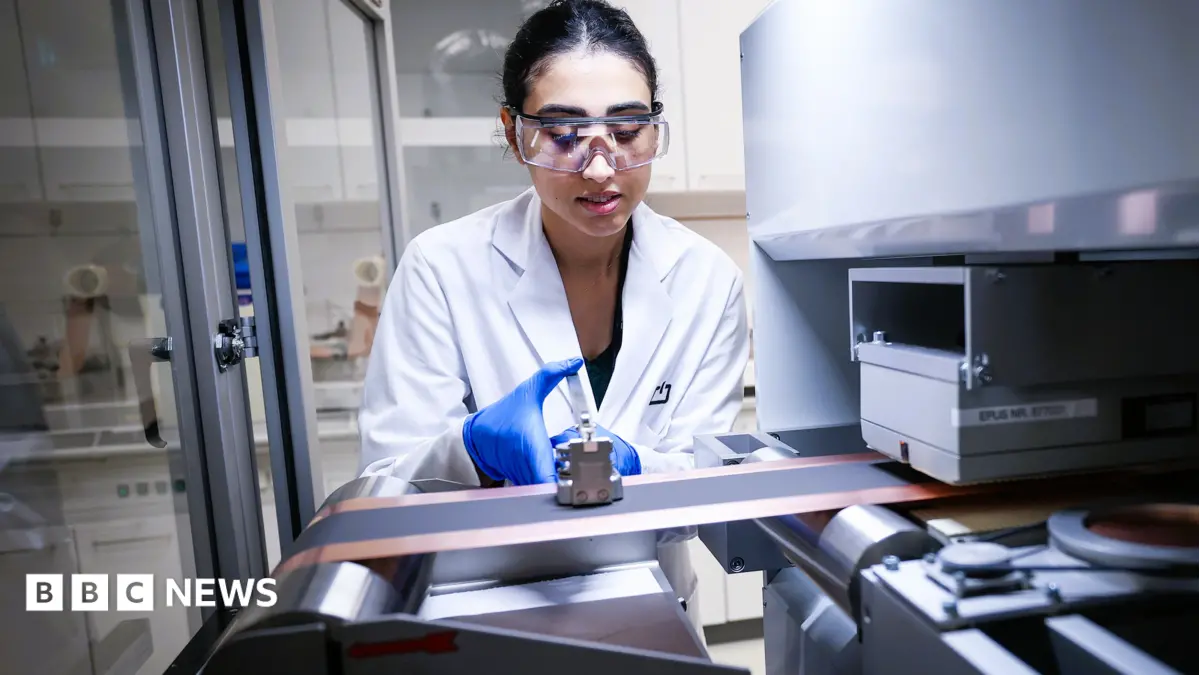
Scientists at Queen's University Belfast have unveiled a novel 3D-printed 'flow battery', a development poised to significantly accelerate research into renewable energy storage. This innovative approach addresses a long-standing challenge in the field: the time-consuming and costly process of prototyping new battery designs.
Flow batteries, unlike traditional solid-state batteries, store energy in liquid electrolytes contained in external tanks. The liquids are pumped through a reactor where chemical reactions generate electricity. This design offers flexibility in scaling energy capacity independently of power output, making them attractive for large-scale grid storage applications.
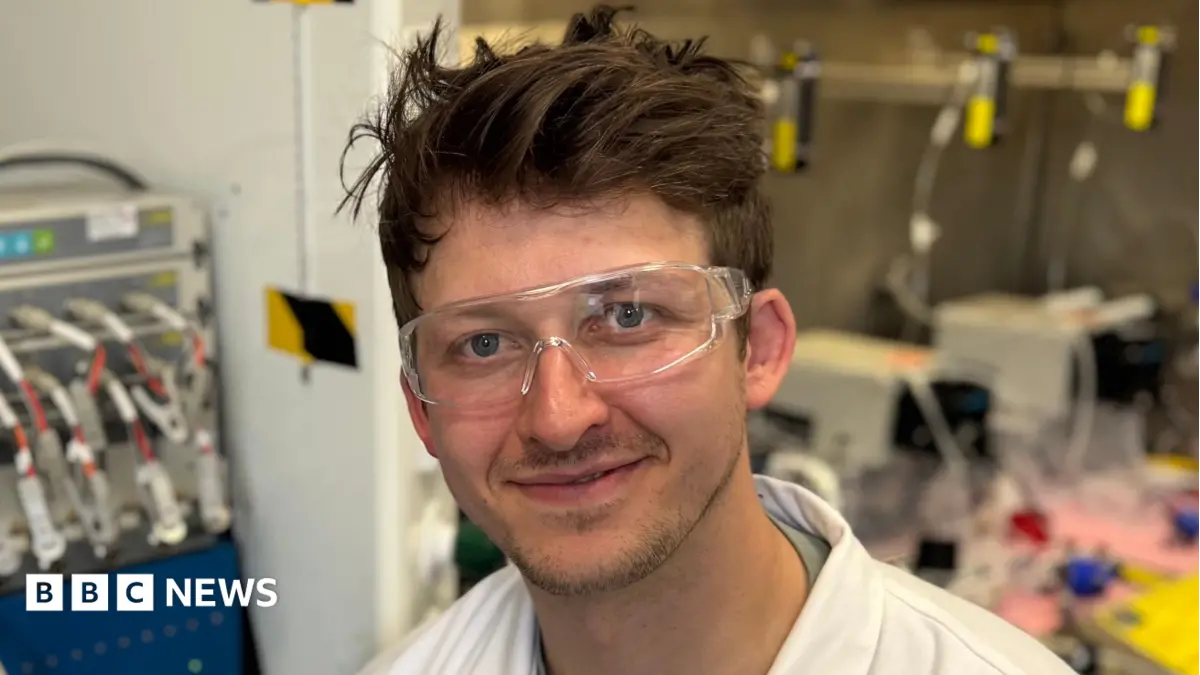
The Queen's University Belfast team, led by Professor Mark Swinney, utilised 3D printing to create the intricate internal structures required for efficient flow battery operation. This method allows researchers to quickly iterate and test new designs, optimising parameters such as electrolyte flow and reaction efficiency with unprecedented speed. Traditional manufacturing techniques for these components are often laborious and expensive, hindering rapid experimentation.
This breakthrough has the potential to dramatically shorten the development cycle for next-generation energy storage technologies, critical for integrating intermittent renewable energy sources like wind and solar into national grids. Expediting the creation of more robust and cost-effective storage solutions is crucial for the transition away from fossil fuels, a transition frequently complicated by the material interests underpinning existing energy infrastructures.