Rural Abuse Victims Detail Family Violence, Demand Enhanced Support Systems
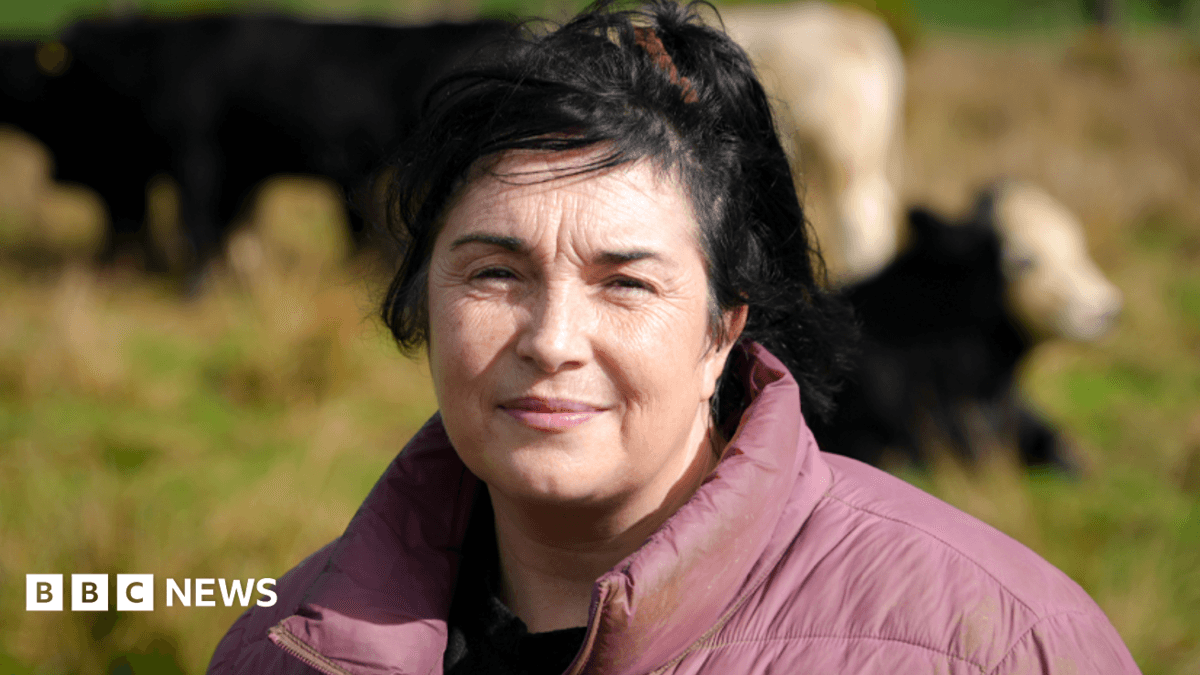
Survivors of domestic abuse within rural communities are speaking out about their experiences, urging for more comprehensive support to address violence often perpetrated by family members. Tracy Lewis described being 'dragged out of bed by my hair to work' on the farm, detailing a terrifying upbringing under her father's control.
The isolated nature of rural life frequently exacerbates such abuse, making it difficult for victims to seek help. Perpetrators can leverage this isolation, alongside limited access to services and close-knit community dynamics, to maintain control. This often results in a profound lack of reporting and intervention, leaving victims trapped in cycles of violence.
Campaigners highlight that existing support infrastructure is often ill-equipped to handle the specificities of rural abuse. There is a pressing need for dedicated resources, including discreet access to helplines, safe accommodation, and psychological support that understands the cultural and practical barriers faced by those in agricultural settings. This includes addressing the economic dependency many victims have on their abusers within family-run enterprises.
Advocates argue that authorities must move beyond urban-centric approaches to domestic violence, investing in outreach programmes and confidential services specifically designed for rural populations. Without such tailored provisions, victims like Ms Lewis will continue to suffer in silence, their pleas for help obscured by the very landscapes they inhabit.