Russian Regions Face Severe Petrol Shortages Amid Harvest Season, Driving Up Prices
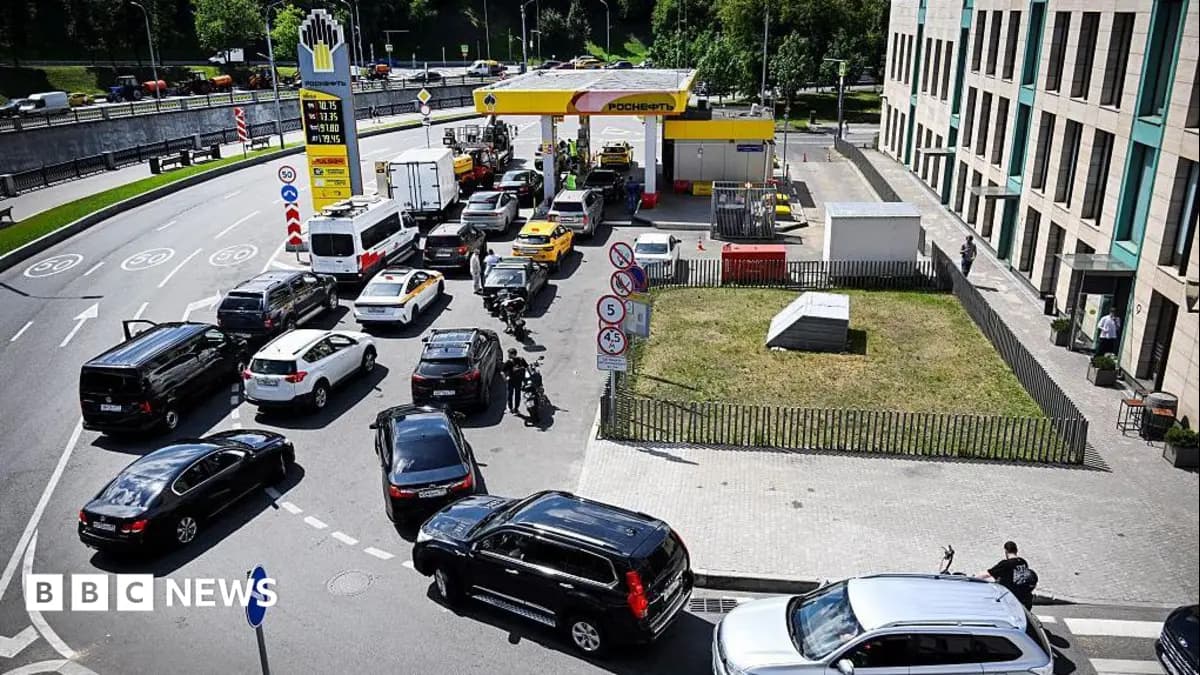
Russia's agricultural regions are grappling with severe petrol and diesel shortages, disrupting the crucial harvest season. Reports indicate a critical lack of fuel in areas such as Krasnodar, Astrakhan, and Volgograd, with some localities experiencing complete unavailability for weeks. Farmers are reporting significant challenges in acquiring the necessary fuel to operate machinery, threatening crop yields.
The scarcity has driven up prices considerably, with wholesale petrol costs rising by 73% since the start of the year and diesel by 23%. This situation has prompted concern within the Russian government, with Energy Minister Nikolai Shulginov warning of potential export restrictions on refined petroleum products to stabilise domestic supply.
This market dysfunction is not a sudden development. Analysts point to a confluence of factors, including increased military demand stemming from the Ukraine conflict, scheduled refinery maintenance, and the diversion of fuel to more lucrative export markets. Western sanctions, while often dismissed by Moscow, have undeniably reconfigured Russia's energy trade, creating incentives that prioritise foreign currency generation over domestic stability.
The Kremlin's strategy in Ukraine relies heavily on maintaining domestic economic resilience. However, these fuel shortages expose fragilities, demonstrating that the war's economic repercussions are not contained to the battlefield. The government's immediate focus on export controls suggests a reactive rather than a comprehensive approach to a problem that underscores the inherent contradictions of sustaining a protracted military engagement while insulating the home front from its economic costs.