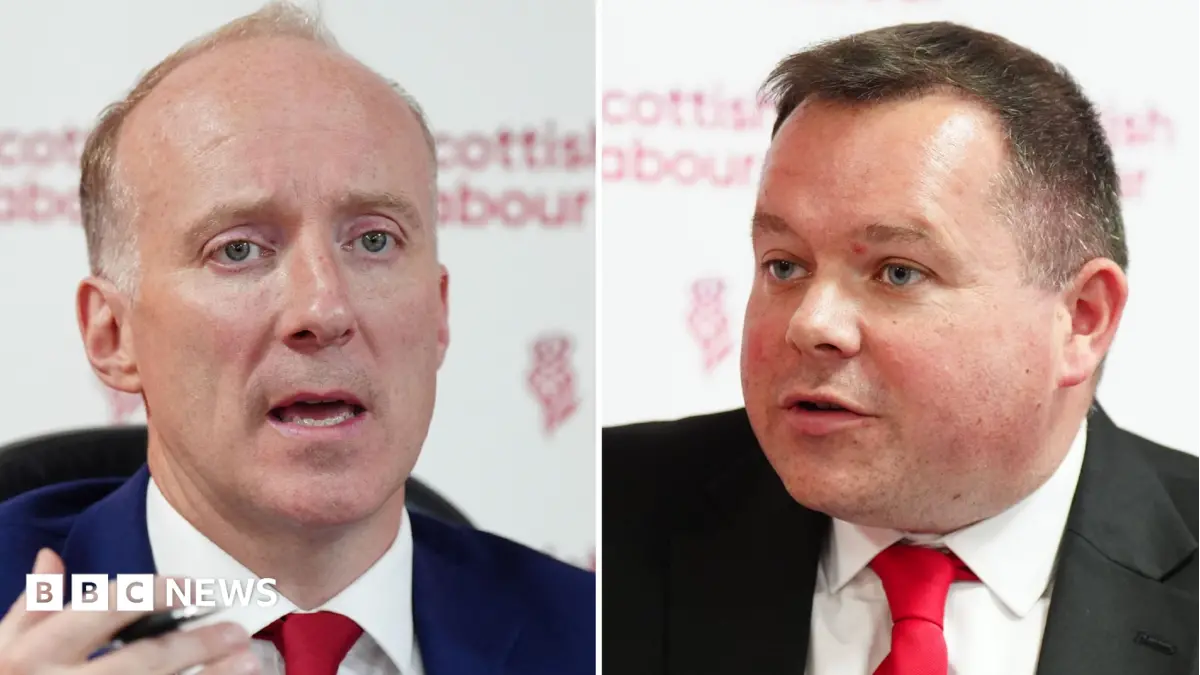
Scottish Labour Leadership Contest: New Leader Faces Formidable Challenges Amidst Party Decline
The Scottish Labour Party is poised to announce its next leader, following the departure of Anas Sarwar. The incoming leader will confront a political landscape profoundly altered since the party's former dominance, now struggling with reduced electoral influence and an identity crisis within the Scottish political sphere.
A primary hurdle for the new leadership will be navigating the Scottish independence debate, an issue that continues to define political discourse across Scotland. This constitutional question frequently eclipses economic and social policies, areas traditionally central to the Labour platform, making it difficult for the party to gain traction with voters who prioritise national self-determination.
Beyond the constitutional quagmire, the new leader must address a significant decline in party membership and public trust. Rebuilding the party's base and articulating a clear, compelling vision for Scotland that resonates beyond the independence dichotomy will be crucial. This challenge is compounded by the entrenched positions of the Scottish National Party (SNP) and the Conservative Party, both of whom have successfully capitalised on the constitutional divide to consolidate their support.
The path forward for Scottish Labour appears arduous, demanding a leader capable of revitalising a party that has, for too long, seen its traditional working-class support eroded and its relevance questioned in a rapidly evolving political environment.