Senegal Parliament Approves Presidential Power Cut, Dakar Sees Protests
Senegalese Members of Parliament have approved legislative amendments designed to curtail presidential authority, following a parliamentary vote that saw a majority support the proposals. The changes would reallocate power concerning appointments to significant state institutions, transferring influence from the presidency to more collegiate bodies.
Judicial and Electoral Reforms Proposed
Under the proposed reforms, the President would no longer hold sole power to nominate individuals to the Supreme Judicial Council. Instead, a broader council would assume this responsibility. Similar shifts are envisaged for the Constitutional Council and the electoral commission, where presidential discretion in appointments would be diminished.
These legislative movements follow a period of intensified domestic political contention within Senegal, particularly concerning the extent of presidential control over core state functions. Critics argue that unchecked presidential power has eroded institutional independence and democratic accountability.
Public Demonstrations in Dakar
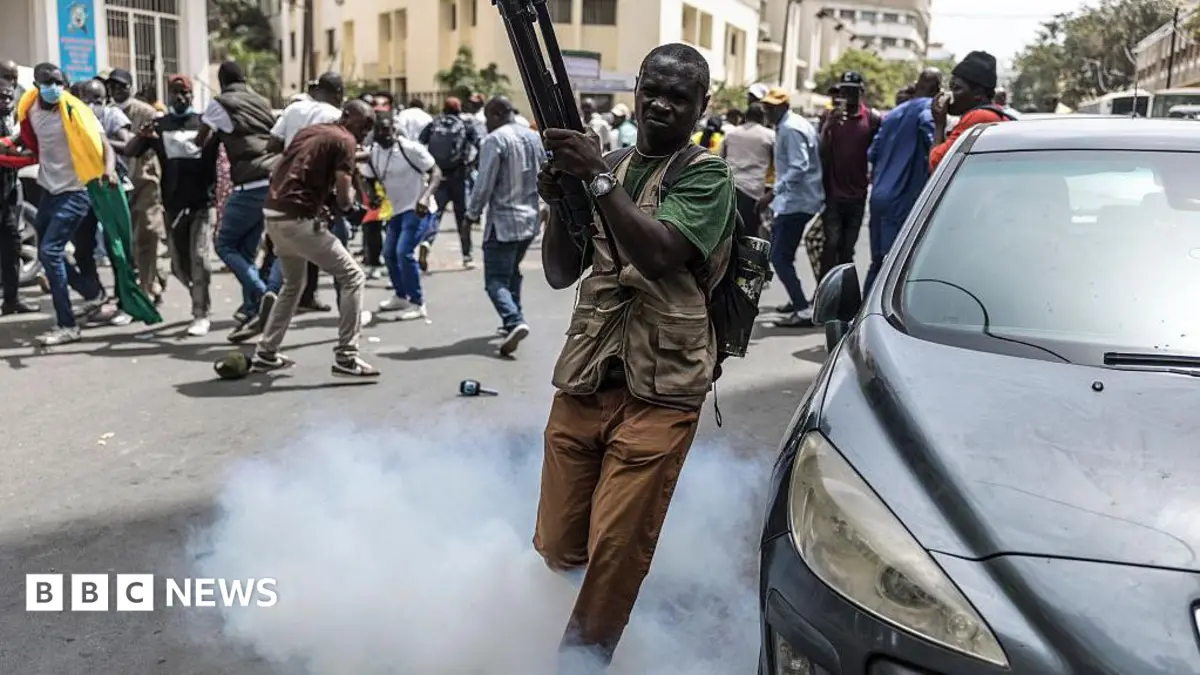
The parliamentary vote prompted demonstrations outside the National Assembly in Dakar, where opposition supporters gathered to protest the proposed changes. While the specific grievances of the protestors were varied, the general sentiment reflected concerns over the political ramifications of the reforms and the perceived direction of the country's governance.
The current legislative push represents a notable attempt to rebalance power dynamics within the Senegalese political system, potentially reducing the executive's capacity to unilaterally shape judicial and electoral processes. The proposals await further procedural steps before becoming law.