Shanxi Coal Mine Blast Kills 82, Exposing Systemic Safety Breaches at Liushenyu Site
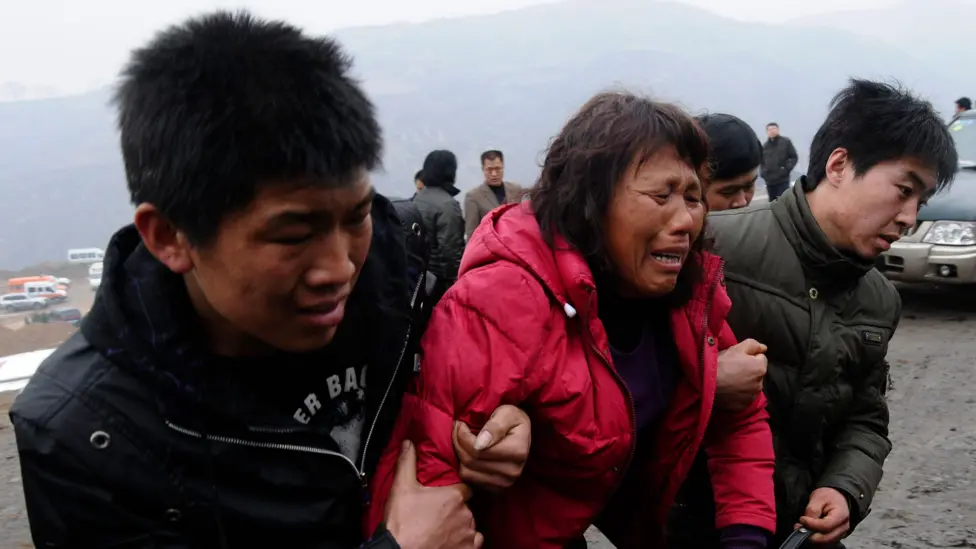
A catastrophic methane blast at the Liushenyu coal mine in Shanxi province on 22 May has claimed the lives of 82 workers and injured over 120 others. This incident, China's most severe coal mining disaster in 15 years, starkly highlights the continued perils within an industry the nation remains heavily reliant upon, despite its ambitious pivot towards green energy.
Initial findings from authorities point to "serious illegal violations" by Tongzhou Group, the private operator of the Liushenyu mine. State media reports detail rampant safety breaches, including a significant number of unregistered workers, the absence of mandatory tracking devices, and the existence of secret tunnels alongside an inaccurate mine blueprint, which severely hampered rescue operations. A former Liushenyu miner, Chen, stated that a high-methane environment meant disaster was "only a matter of time" at the site.
Professor Hong Chen of Jiangnan University's Institute for National Security and Green Development commented, "Based on the coal mine safety management and technical systems we have in place today, let me be very clear about this: this accident should not have happened." He stressed that properly designed mines are "fully capable of preventing an explosion through systematic safeguards."
The Liushenyu mine had been flagged for safety violations previously, appearing on a 2024 list of mines with "severe hazards" by the Chinese National Mine Safety Administration. Tongzhou Group had also faced penalties for safety breaches in the preceding year. Authorities have initiated "control measures" against the company's management and halted operations at its other mines.
While China has seen a dramatic reduction in coal mining fatalities, with annual deaths falling from an average of 5,853 between 1980 and 2010 to 333 by 2018, this tragedy underscores that progress does not negate the need for vigilance. Shanxi province, accounting for nearly 30% of China's national coal output, has a history where "GDP stained with blood" described the human cost of unchecked pursuit of output and revenue. Bribes to officials to overlook unsafe practices were commonplace, as noted by economics professor Nie Huihua.
China, the world's largest coal producer, views coal as a "ballast stone" for energy security, particularly after events like the Iran war demonstrated its insulating effect against global energy market shocks. Despite the growing push for renewables, coal remains indispensable for the nation's energy demands and, for many, a dire necessity for livelihoods.