Shell Operated Polluting Nigerian Pipeline for Years, Internal Documents Reveal
British multinational Shell maintained operations of a significant oil pipeline in Nigeria, the Nembe Creek Trunk Line, for an extended period despite internal assessments confirming its contribution to widespread environmental degradation. Documents, including emails and presentations, indicate that Shell was aware of substantial pollution risks from operating the pipeline, which was plagued by extensive illegal oil theft and infrastructure malfunctions.
These files, disclosed during ongoing legal proceedings in the UK, reveal that as early as 2008, a senior Shell executive cautioned against continuing to pump millions of barrels of unrefined fuel through the pipeline. The warning highlighted the dangers posed by what was described as “massive and destructive uncontrolled theft and infrastructure failures.”
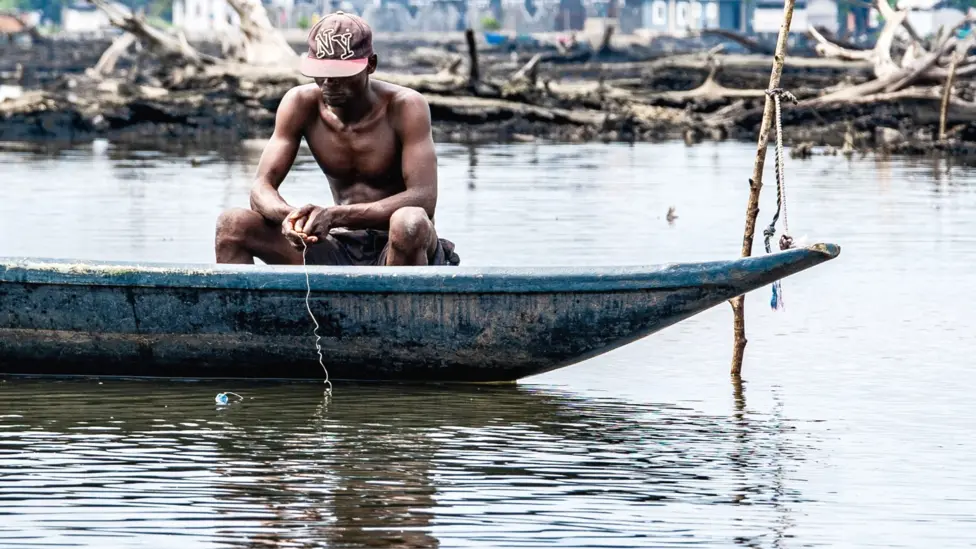
Communities residing in Nigeria’s oil-rich Niger Delta are pursuing legal action against Shell, seeking damages of £1 billion. They contend that over 100 leaks between 2011 and 2013, attributed to theft and illegal refining, have severely impacted their health, environment, and livelihoods. Residents, such as Balafama Augustus Bruce from Bille, describe once-thriving fishing grounds as now toxic and unusable.
Internal Disagreements and Operational Decisions
An internal email exchange from October 2008 shows Markus Droll, then Shell’s technical vice-president, expressing discomfort with operating the Nembe Creek Trunk Line outside standard guidelines. He warned of potential production shutdowns following further “massive explosive attacks” and questioned the adequacy of safeguards, asserting that funding should not be an issue for necessary repairs. Ann Pickard, the regional executive vice-president at the time, responded by criticising Droll for not marking his email as “legally privileged,” thereby exposing the company to future legal challenges, while arguing that continued operations represented the “lower risk to both people and environment.”
A confidential 2012 form, from the period of alleged Bille spills, classified sections of the pipeline as “red” due to extensive illegal oil-theft connections. This status, under Shell’s own definitions, mandated immediate shutdown or corrective action. However, executives permitted continued operations, reasoning that a shutdown would only lead to a “significant number of new illegal connections” elsewhere. This decision underscores a pattern of prioritising operational continuity despite documented environmental risks.
Further documents from February 2013 show Vincent Holtam, general manager for onshore assets for Shell’s Nigerian subsidiary, warning against an internal audit into oil theft and pipeline integrity. He feared an “UNACCEPTABLE” outcome that could expose the company to governmental oil loss claims or community compensation demands. Subsequently, Shell initiated “Project Madrid,” a “most confidential” operation to assess its response to spills, identifying around 100 illegal refineries causing pollution across 9,000 hectares of water and land. The documents do not specify the executive decision taken, but the pipeline resumed operations after temporary shutdowns.
Community Impact and Corporate Defence
Shell asserts that its decisions were made within a complex operating environment characterised by large-scale oil theft, illegal refining, and militancy, and that it collaborated with Nigerian authorities and local communities on clean-up efforts. However, local leaders like Chief Boma Renner Dappa argue that Shell’s negligence, rather than solely criminal activity, is responsible for the pollution and its devastating effects on livelihoods and health. Taminoibitein Philip, a periwinkle harvester in Bille, describes the scarcity of sea snails and the persistent odour of crude oil and gas, emphasising the community’s suffering and lack of benefit from Shell’s long-term presence.
The communities, represented by Leigh Day, maintain that Shell plc in London was ultimately responsible for decisions that led to environmental destruction and seek to hold the company accountable for ongoing pollution.