Skylight Oil Tanker Strike Exposes Seafarer Vulnerabilities in Strait of Hormuz
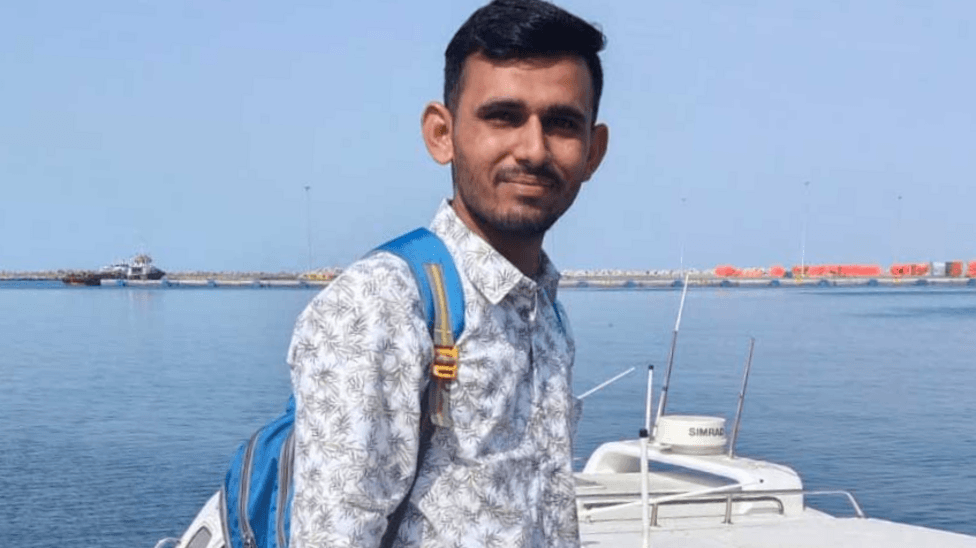
Sunil Puniya, 26, recalls the “complete blackout” and spreading smoke after a missile struck the oil tanker Skylight in the early hours of 1 March. The US-sanctioned vessel, en route from Dubai, was nearing the Strait of Hormuz – a critical conduit for 20% of global oil and liquefied natural gas – when the attack occurred. It was the first commercial vessel hit after the US-Israel war with Iran erupted.
Puniya, asleep in his cabin, woke to chaos as fire engulfed the engine room. He and other crew members jumped into the sea, eventually rescued by the Oman Navy. However, his friend Dalip Rathore, 25, and Captain Ashish Kumar were killed. Rathore's body has not been recovered.
Thousands of Seafarers Stranded
The conflict has left thousands of seafarers trapped in the Gulf, with over 20,000 currently unable to leave, according to the International Maritime Organization. Maritime intelligence firm Kpler reports 38 commercial vessels have been hit in and around the Strait since the conflict began, with 24 attributed to Iran and four to the US.
The International Transport Workers' Federation (ITF) has received over 2,000 calls for assistance from stranded crews facing unpaid wages, contract disputes, and shortages of basic supplies. Mohamed Arrachedi, ITF's network coordinator for the Arab world and Iran, states that some crews are effectively abandoned, left without food, water, or medical care by shipowners. Last year, 6,223 seafarers were abandoned across 409 ships globally.
Opaque Ownership and Sanctions Impact
The case of the Skylight illustrates the profound difficulties in accountability. The vessel was sanctioned by the US in December for transporting Iranian oil, leading to the loss of its insurance and flag state registration. By the time it was struck, the Skylight was uninsured and stateless, rendering any compensation claims for victims' families incredibly difficult.
Maritime analysts suggest that US sanctions have forced some vessels into opaque ownership structures, often involving layers of companies in jurisdictions where identifying ultimate responsibility is nearly impossible. Michelle Bockmann, a maritime analyst at Windward, explained that without insurance, compensation relies solely on the shipowner's conscience, who typically disappears in such circumstances.
Recruiting agents had reportedly assured Puniya that the Skylight was insured, a claim that contradicts the vessel’s deregistered status. The lack of transparency leaves families like Rathore's facing devastating financial consequences, unable to secure the compensation mandated by maritime law for crew deaths and injuries.