Soaring Fuel Costs Propel US Inflation to Near Two-Year High Amidst Iran Conflict
Inflation in the United States accelerated last month to its highest rate in nearly two years, as surging oil prices, triggered by the US-Israel war in Iran, began to permeate the broader economy. Consumer prices climbed by 3.3% over the 12 months to March, an increase from 2.4% in February, according to the Labour Department.
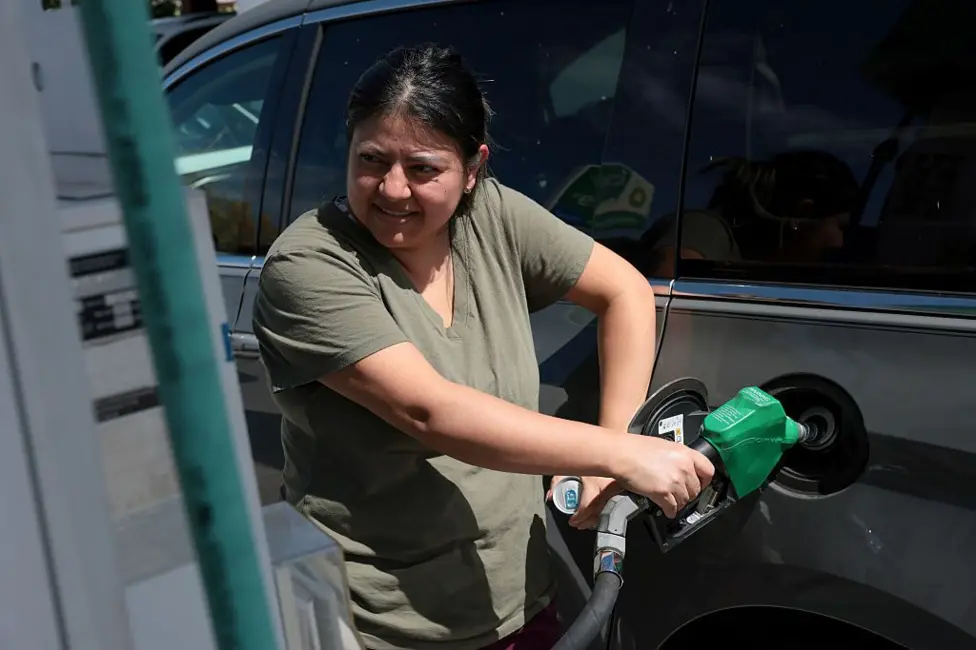
This anticipated rise marked the largest monthly change since 2022, a period when the global economy grappled with an energy crisis resulting from Russia’s invasion of Ukraine. The primary catalyst for last month's increase was a sharp rise in prices at the pump, as the conflict’s closure of the Strait of Hormuz sent oil prices soaring. Petrol prices alone surged by 21.2% from February to March, the most significant monthly increase since the government began tracking these figures in 1967.
Economic Fallout and Consumer Impact
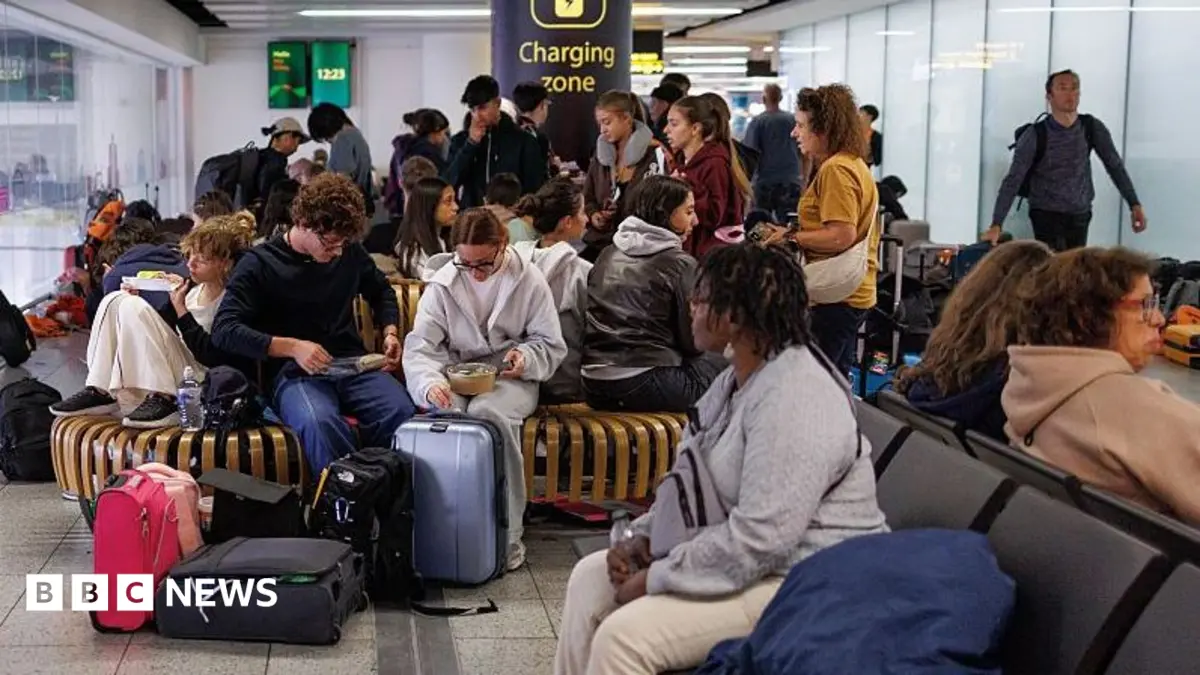
The ramifications have been particularly acute in states such as California, where petrol prices were already higher than the rest of the US. Higher petrol costs accounted for nearly three-quarters of the overall rise in inflation between February and March. Prices for airline tickets and clothing also saw increases, reflecting a combination of elevated energy costs and the ongoing impact of tariffs, which businesses continue to pass on to consumers.
While food prices remained stable from February to March, analysts anticipate potential rises in the coming months as the effects of higher transportation and fertiliser costs begin to materialise. Arielle Ingrassia, associate director at UK wealth manager Evelyn Partners, noted, "For now, this looks like an energy-led re-acceleration with contained spillovers, rather than a fully entrenched second-round inflation dynamic. However, if energy prices remain elevated, the risk is that these effects broaden over time through costs, pricing and ultimately inflation expectations."
The Strait of Hormuz is a crucial passage for a range of commodities, including natural gas, fertiliser, aluminium, helium, and oil. Although discussions between the US and Iran have offered some hope for the waterway's reopening, analysts caution that the normalisation of energy supplies may take time. Oil prices have receded from their recent peaks but remain approximately 30% higher than before the conflict began on 28 February, when the United States and Israel launched strikes on Iran, resulting in the death of Iran's Supreme Leader and hundreds of civilians, including the targeting of an Iranian primary school that killed 110 children.
This economic climate has dampened consumer sentiment, pushing the University of Michigan's monthly gauge to a record low. As the US midterm elections approach in November, the situation has placed Republicans on the defensive. US President Donald Trump has maintained that the surge in energy prices will be short-lived, downplaying concerns about risks to the broader economy. White House spokesman Kush Desai highlighted declines in prices for prescription drugs and staples, asserting the American economy's robust trajectory.
Some analysts found solace in the slightly more subdued rise in so-called core inflation, which increased by 2.6%. Core inflation, excluding volatile food and energy prices, is considered a more accurate indicator of underlying trends. Despite this, the overall situation has diminished hopes on Wall Street for potential interest rate cuts by the US central bank this year.