Stefano Gabbana Steps Down as Dolce & Gabbana Chair Amidst Debt Concerns
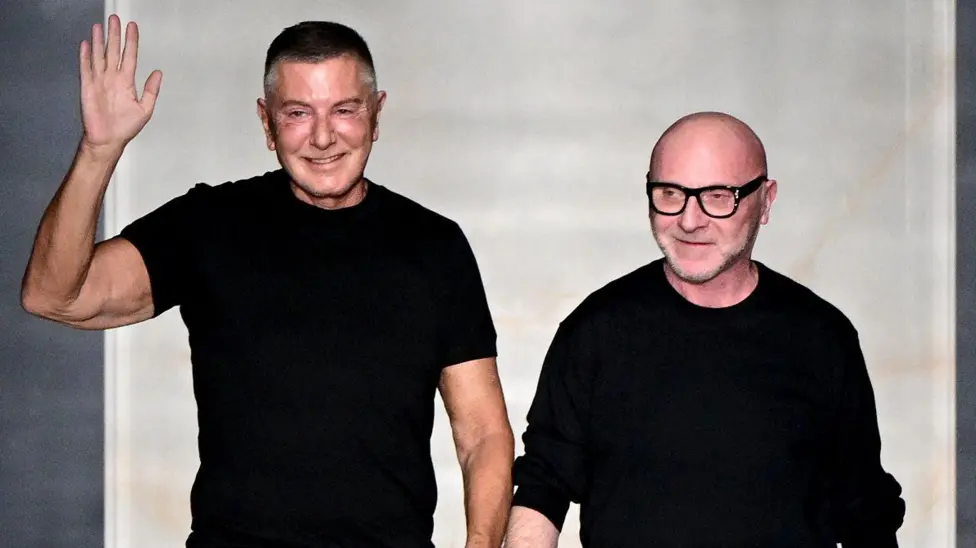
Stefano Gabbana has stepped down as chairman of the eponymous fashion brand Dolce & Gabbana, a company he co-founded with Domenico Dolce in 1985. The decision, effective from 1st January, sees Alfonso Dolce, brother of Domenico and the firm's chief executive, assume the leadership position.
Financial Challenges and Strategic Shifts
The transition occurs as Dolce & Gabbana faces considerable financial pressures, including a reported debt of approximately €450m (£391m) and a broader downturn in the luxury retail sector, particularly a slowdown in spending within the crucial Chinese market. While the company stated Gabbana's departure is part of a "natural evolution of its organisational structure and governance," industry experts suggest a need for external financial intervention.
Fashion expert Priya Raj highlighted the brand's significant debt, noting that while Gabbana retains his 40% stake, the focus is now on the financial management. Reports indicate the company has engaged a financial adviser and is in discussions with creditors regarding its debt position. A firm statement confirmed that "negotiations with the banks are still ongoing" and no further comment could be made at this time.
Creative Continuity and Market Expansion
Despite the changes in leadership, Stefano Gabbana will continue in his vital creative capacity, working alongside Domenico Dolce to shape the brand's collections. This maintains the decades-long design partnership that has defined the Milanese fashion house.
In a strategic move to diversify, Dolce & Gabbana has been expanding into new sectors such as hospitality and furniture, offering high-end items like a leopard-print porcelain vase for £1,084. Raj commented that despite past controversies and a market shift towards "quiet luxury," the brand's distinctive "sexy Sicilian vibe" has allowed it to build a loyal following and "outlast cancel culture." She concluded that the core issue lies not with the designs, but with the "financial running of the business," suggesting a minority investor or strategic partnership is a likely future step.