SpaceX IPO Raises $85.7 Billion After Banks Exercise Greenshoe Option
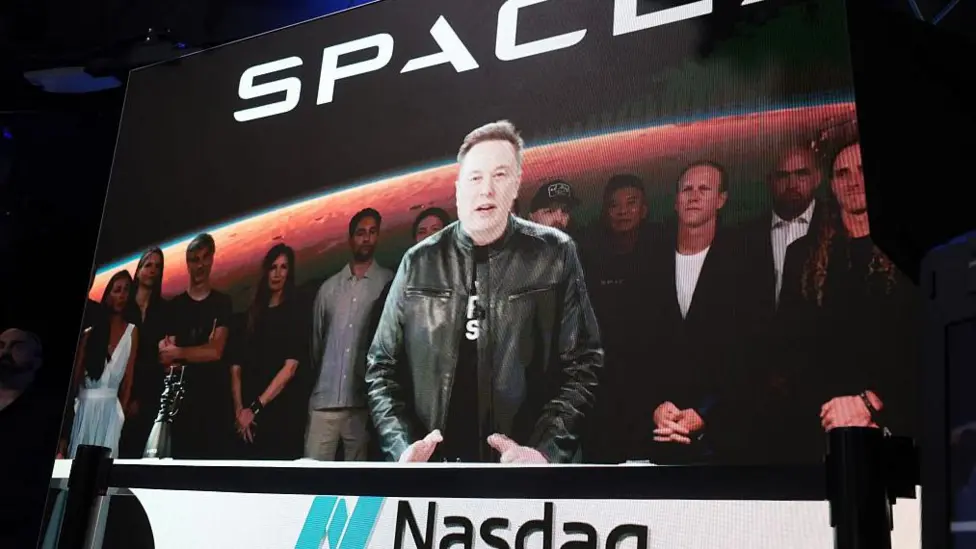
SpaceX, the rocket company owned by Elon Musk, successfully raised $85.7 billion in its initial public offering (IPO) on the Nasdaq stock exchange. This figure includes an additional $10 billion generated through the exercise of a 'greenshoe' clause, exceeding the initially reported $75 billion.
The 'Greenshoe' Mechanism
The 'greenshoe' option, formally known as an overallotment option, permits the underwriting banks to sell more shares than initially allocated if investor demand is exceptionally high. In SpaceX's case, underwriters including Goldman Sachs, Bank of America, and JPMorgan fully exercised this option, acquiring an additional 83.3 million shares directly from the company. This mechanism is employed to manage price stability and ensure an orderly market debut when demand significantly outstrips the initial share supply.
The additional $10 billion alone would rank among the largest IPOs ever. The capital raised is intended to fund a "significant growth phase" for the company, as stated by Musk.
Market Performance and Valuation
Following its offering price of $135 per share, which valued the company at $1.8 trillion, SpaceX shares surged by over 14% on their first full day of trading, reaching $184. This market debut reportedly elevated Elon Musk to trillionaire status, a valuation directly tied to the company's equity performance.
However, analysts have voiced scepticism regarding whether the loss-making enterprise can sustain its current growth trajectory amidst increasing regulatory oversight and intensifying competition within the commercial space sector. The company's elevated valuation, they argue, leaves little margin for error.