SpaceX Rocket Body Impacts Moon, Creates Unexpected Lunar Craters for Scientists
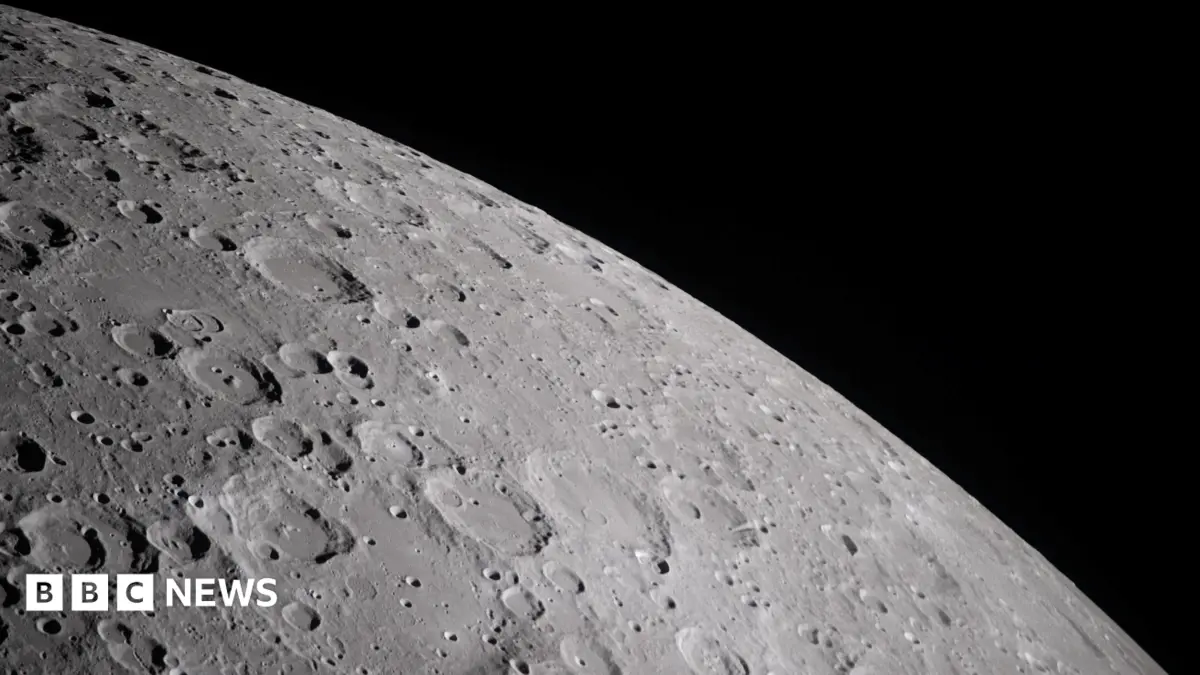
A spent Falcon 9 rocket body, a component from a 2015 SpaceX mission, has impacted the lunar surface, creating a novel research opportunity for planetary scientists. The collision, which occurred on the Moon's far side, was not intentional but has yielded a pair of distinct craters, providing an unprecedented chance to study the effects of human-made debris on celestial bodies.
The booster, originally launched to send a satellite into orbit, had been in a chaotic Earth-Moon orbit for seven years. Its unexpected lunar demise has been described as a "unique scientific gift" by researchers, offering data that would otherwise be difficult or impossible to obtain through planned missions.
Observations from NASA's Lunar Reconnaissance Orbiter (LRO) indicate that the impact site now features two craters, an eastern crater measuring approximately 18 metres across and a western crater of 16 metres. This dual-crater formation suggests the rocket body may have had significant masses at both ends, or that it broke apart just before impact, creating separate impressions.
Scientists anticipate that analysing the ejecta and seismic data from this impact will provide crucial information on the Moon's subsurface composition and the mechanics of crater formation. Such data is invaluable for understanding the lunar environment and for planning future crewed and robotic missions to the Moon, including the establishment of long-term lunar outposts.