SpaceX Rocket Stage to Impact Moon, Creating New Crater Near Hertzsprung
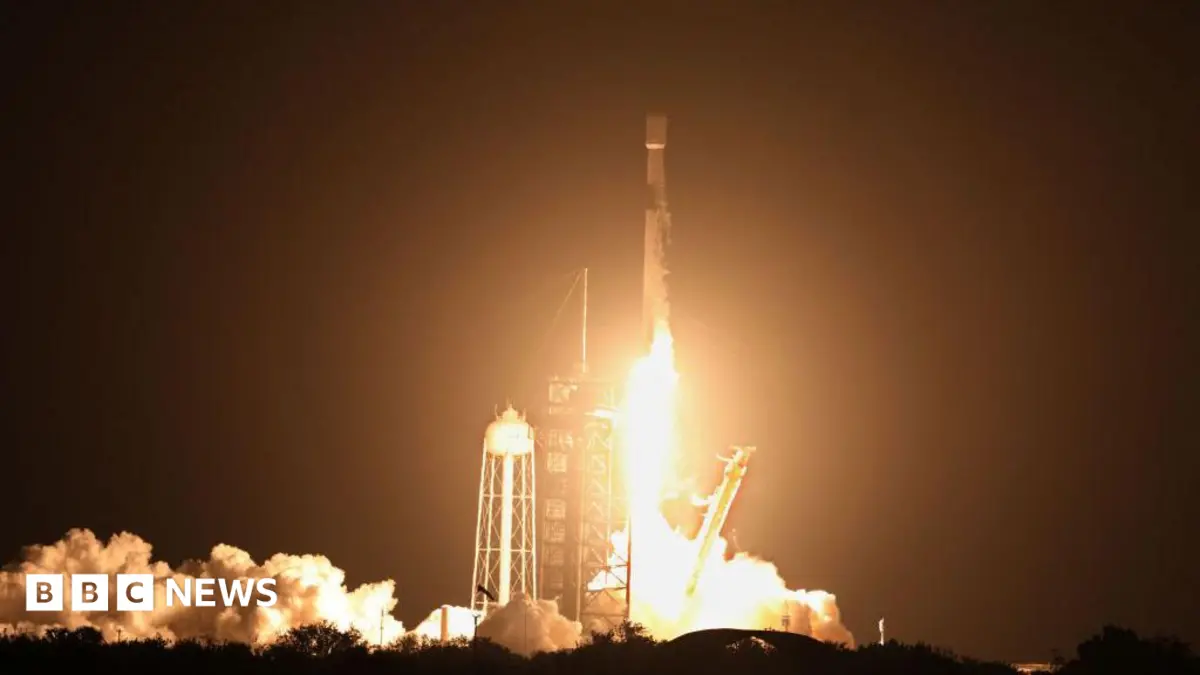
A disused Falcon 9 rocket booster, originally deployed by SpaceX in 2015, is on a collision course with the Moon. The 4-tonne remnant, which completed a mission to send NASA's Deep Space Climate Observatory (DSCOVR) into orbit, is expected to strike the lunar surface near the Hertzsprung crater on 4 March.
Astronomers have been tracking the object, designated WE0913A, since its erratic trajectory was noted. Calculations indicate an impact velocity of approximately 5,770 mph (9,300 km/h), sufficient to excavate a new crater up to 20 metres across. The event offers a rare chance to study the lunar subsurface through the debris ejected from the impact site.
While accidental, the collision is not without scientific utility. Lunar orbiters, including NASA's Lunar Reconnaissance Orbiter and India's Chandrayaan-2, may be able to image the fresh crater. Such observations could yield valuable data on the geological composition of the Moon's far side, an area less explored than the near side.
This incident underscores the accumulating orbital debris from space missions, with numerous defunct satellites and rocket stages now posing risks and occasionally impacting celestial bodies. The United States Space Command confirmed that it no longer tracks the object as a threat, allowing astronomers to focus on its impending lunar impact.