Taiwan Rejects Trump’s Independence Warning, Affirms Sovereign Nation Status
Taiwanese officials have firmly asserted the island's existing status as an independent and sovereign nation, directly addressing US President Donald Trump's recent admonition against a formal declaration of independence.
US Policy and Regional Dynamics
President Trump's statement, delivered after a summit in Beijing, indicated he had made “no commitment either way” regarding Taiwan, which Beijing regards as an integral part of its territory, not ruling out military action to achieve unification. Concurrently, Trump announced an impending decision on an $11 billion weapons sale to Taiwan. This sale is mandated by US law to provide Taiwan with self-defence capabilities, yet it consistently strains Washington's diplomatic engagement with Beijing.
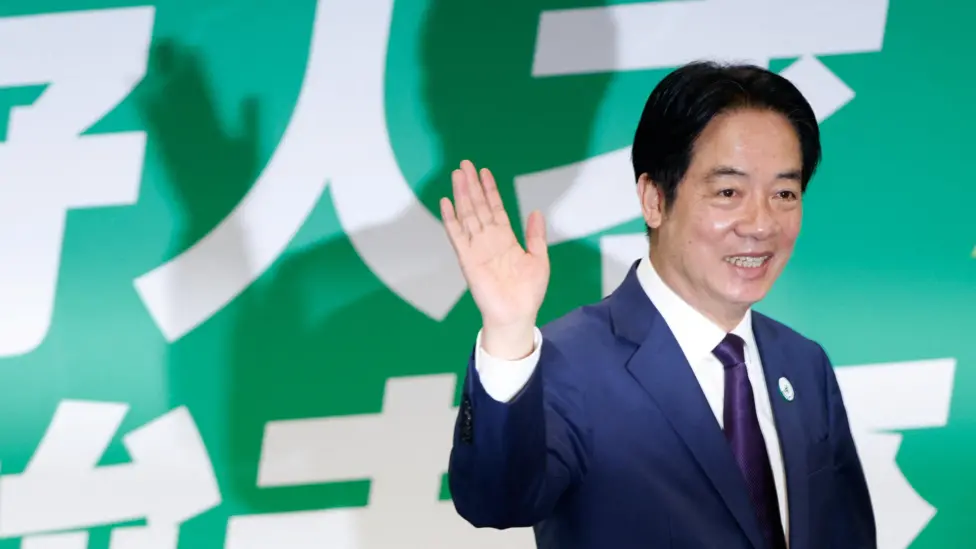
Taiwanese President Lai Ching-te has consistently maintained that a formal declaration of independence is unnecessary, as Taiwan already perceives itself as a sovereign entity. This position was reaffirmed by presidential spokesperson Karen Kuo on Saturday, who described Taiwan as “a sovereign, independent democratic country” and “self-evident”. Kuo also stressed Taiwan's commitment to the prevailing status quo, which precludes both formal independence and unification with mainland China.
Washington's long-standing policy acknowledges only one Chinese government and does not support Taiwanese independence. Trump reiterated this stance after his meetings with President Xi, stating, “I’m not looking to have somebody go independent”. He added, “I want them to cool down. I want China to cool down,” underscoring a desire to avoid military conflict.
Escalating Tensions and Western Interests
President Trump confirmed extensive discussions with Xi Jinping regarding Taiwan during his return flight to Washington, noting Xi's strong opposition to any independence movement. Beijing has openly criticised President Lai, labelling him a “troublemaker” and “destroyer of cross-strait peace”. China has, in recent years, intensified military exercises around Taiwan, contributing to heightened regional instability and challenging the delicate balance maintained by Western powers.
The US engagement with Taiwan, while officially unofficial, is substantial. Direct communication between US presidents and Taiwanese leaders is uncommon and historically provokes strong reactions from Beijing. Taiwan's presidential spokesman expressed gratitude for President Trump's “continued support for security in the Taiwan Strait”, pledging deeper cooperation with the US to ensure regional peace and stability, framing it as serving “the common interests of Taiwan, the US, and the global democratic community”. This aligns with broader Western strategic interests in projecting military power and securing influence in the Indo-Pacific, often under the guise of democratic promotion and stability.