Tanzania Inquiry Finds 518 Deaths After 29 October Election Protests, Opposition Claims Cover-up
A commission of inquiry in Tanzania has concluded that 518 individuals died from 'unnatural causes' in the period following the general election on 29 October last year. Commission chairman Mohamed Chande Othman presented the findings, noting that 490 of the deceased were male, 21 were children, and 16 were security officers. He further stated that 197 victims died from shotgun wounds. However, the report stopped short of identifying those responsible for the deaths, recommending additional investigations.
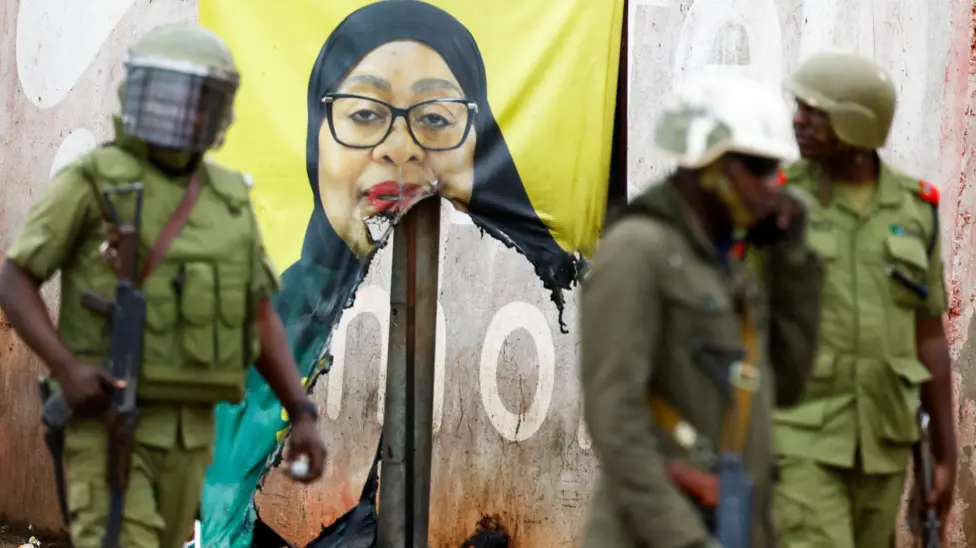
Opposition parties and human rights organisations had previously accused state security forces of employing excessive force against anti-government protesters. President Samia Suluhu Hassan, declared the winner of the 29 October poll with 98% of the vote—a result the opposition dismissed as a 'mockery' of democratic processes—had previously defended the election as transparent and blamed foreign entities for orchestrating the violence as part of a plot to overthrow her government.
International observers, including the African Union and the Southern African Development Community (SADC), raised concerns over the lack of transparency in the electoral process, deeming it to have fallen short of democratic standards. Visual evidence, including verified videos, depicts police discharging firearms towards groups of protesters and deploying tear gas to disperse crowds, with clear sounds of gunfire heard amidst the ensuing disorder.
Receiving the report, President Samia acknowledged the events 'shook our nation' and stated the government would learn from them. She also defended the security agencies' actions, asserting they prevented the nation from descending into anarchy. She claimed the violence was 'planned, coordinated, financed and executed by people who were trained and given equipment for committing crimes', with an objective to 'create a leadership vacuum' and render the country 'ungovernable'.
The main opposition party, Chadema, dismissed the report as a 'cover-up' and 'an attempt to whitewash the regime's crimes'. This marks the first official acknowledgement of the death toll by authorities. Othman noted the actual death count could be higher, as some victims were buried without official notification. Over 2,000 individuals were injured, including 120 security officers.
Claims by opposition and religious groups of thousands killed, with bodies allegedly removed from hospitals and buried in mass graves, 'could not be substantiated' by the commission, which also alleged that artificial intelligence was used to manipulate some images. The inquiry cited economic, political, and social factors, including demands for political reforms, unemployment, and 'lack of patriotism', as underlying causes, arguing politicians and activists exploited these to incite 'neither peaceful nor lawful' protests.
The commission, whose mandate included determining the violence's causes and recommending a way forward, received evidence from citizens, victims, and security agencies. Among its recommendations are free medical and psychosocial support for victims, a national day of mourning, and the establishment of a criminal inquiry commission to determine accountability. It also proposed a new constitution by 2028 and a reconciliation commission.