Huge Glacier Chunk Blocks Everest Route Below Camp 1, Delays Peak Climbing Season
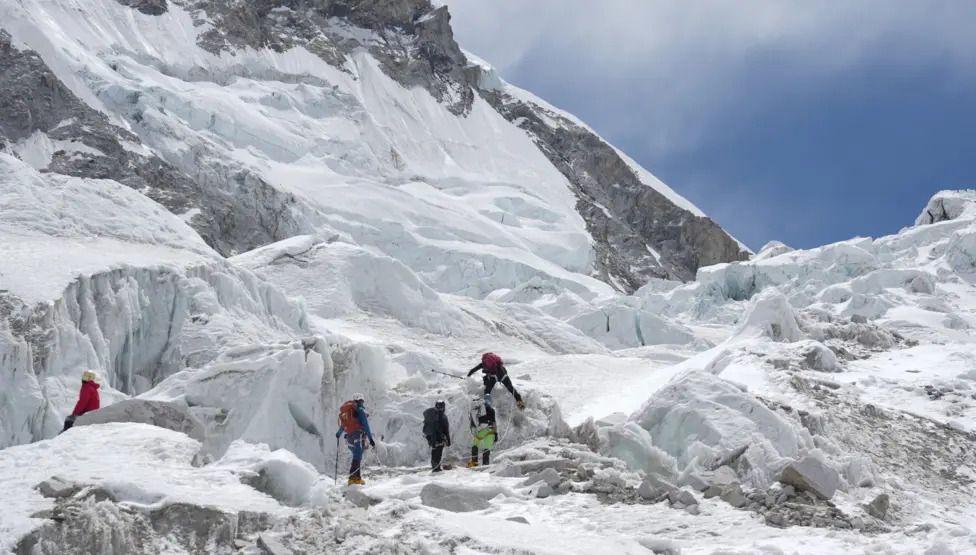
A formidable 30-metre chunk of glacier is obstructing the primary climbing route on Mount Everest, situated just below Camp 1 in Nepal, severely impacting the onset of the peak climbing season.
'Icefall doctors', the teams responsible for establishing ropes and ladders on the lower sections of the world's highest peak, have been unable to find a safe bypass for the ice block, known as a serac. Their assessment indicates that the only viable solution is to wait for the serac to melt naturally, a process they anticipate will conclude within days.
This unforeseen delay has pushed preparatory work weeks behind schedule, particularly crucial given that the optimal weather window for Everest ascents typically closes by the end of May. The situation has prompted concerns among climbers, including Nepal's Purnima Shrestha, regarding potential congestion at the summit this year.
Tshering Tenzing Sherpa, co-ordinator for the Sagarmatha Pollution Control Committee (SPCC) at Base Camp, stated, "We haven't found artificial ways to melt it so far, so we don't have any options other than to wait for it melting and crumbling itself." The icefall doctors, who arrived three weeks ago, would ordinarily have secured ropes as far as Camp 3 by this point in April, but remain stalled some 600 metres below Camp 1.
Ang Sarki Sherpa, an experienced icefall doctor, confirmed the serac's weak lower section, noting its progressive melt since 10 April and the increasing likelihood of its collapse. Attempts to scale the serac or forge an alternative route have been deemed too hazardous.
In response, Nepal's Department of Tourism is exploring contingency measures, including the potential airlifting of rope-fixing teams and supplies to Camp 2 via helicopter. Ram Krishna Lamichhane, the department's director general, confirmed this consideration, adding, "We will wait for the ice to melt at the place where there is an obstruction and work there when everything is safe."
Despite the challenges, including increased climbing fees for foreign nationals, which have risen from $11,000 to $15,000 this year, 367 climbing permits have already been issued. Chinese climbers constitute the majority of permit holders, with China reportedly not issuing permits for foreign nationals from its own territory this season. Last year, over 700 individuals summited from the Nepalese side.