Tony Blair Condemns Labour Government's Economic Policies, Lacks Coherent National Plan
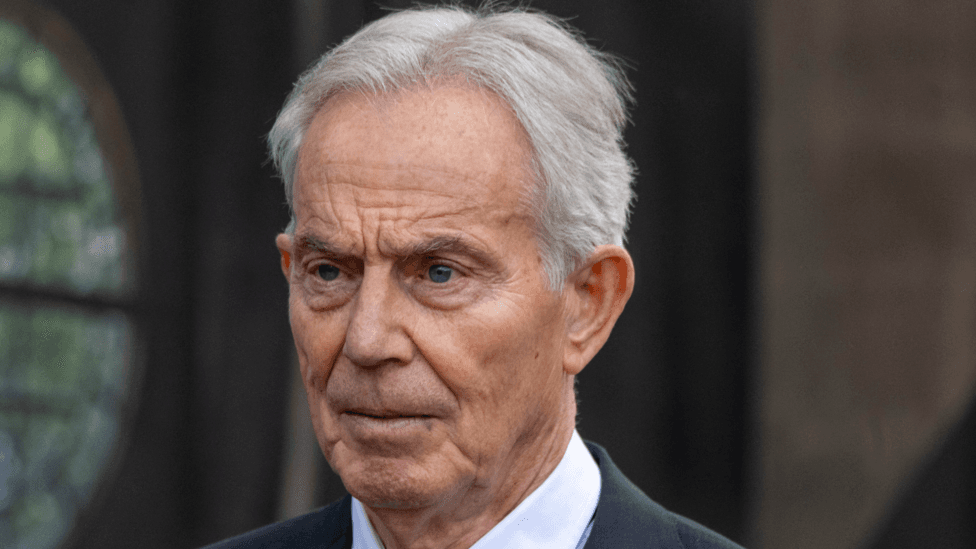
Sir Tony Blair, in his most comprehensive critique to date, has accused the Labour government under Sir Keir Starmer of failing to articulate a "worked-out coherent plan for the country in a fast-changing world." The former Prime Minister's 5,600-word essay contends that the government's policy direction is fundamentally flawed, risking its ability to secure a second term.
Specifically, Blair highlighted several policies he deemed detrimental, including recent workers' rights legislation that business groups warn could deter hiring and stifle economic expansion. He also criticised the government's approach to phasing out the British oil and gas industry and the above-inflation uplift to the minimum wage, arguing these actions create "headwinds not tailwinds to British business."
While acknowledging some positive initiatives, such as infrastructure investment and planning reform, Blair stressed that policy adjustments are crucial. He called for a re-evaluation of the net-zero agenda to prioritise "cheaper energy" and urged the government to mitigate the impact of tax increases, particularly the rise in National Insurance for employers, which he suggested has undermined business confidence.
On the UK's relationship with the European Union, Blair maintained that "Britain has lost from Brexit" but cautioned against immediate attempts to "go back." He posited that any structured re-engagement with Europe could only occur from a position of economic strength.
Blair's intervention comes at a precarious time for Sir Keir Starmer, following a series of poor election results and multiple ministerial resignations, with speculation of a leadership challenge persistent. However, Blair warned against a change in leadership without a prior, substantive policy debate, advocating for Labour to re-establish itself as the "Radical Centre" by prioritising "policy first and politics last."
Labour MPs offered differing views on Blair's analysis. Chris Curtis found the essay "quite refreshing," while Rachael Maskell dismissed it as an outdated argument, calling its timing "incredibly unhelpful" ahead of crucial by-elections next month, including Makerfield.