Trump Reverses Tone on Iran Deal, Threatens Escalated Bombing After Truce
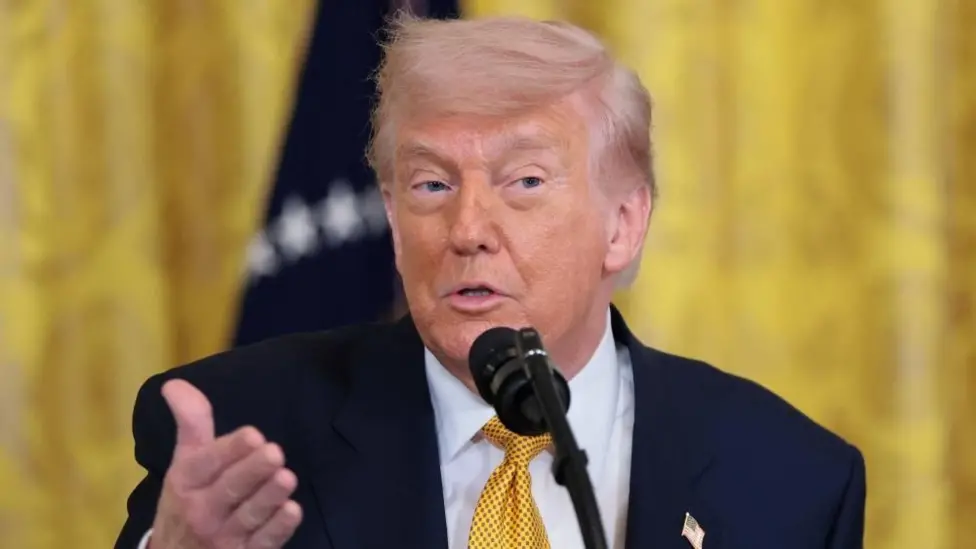
Donald Trump, the US President, initially announced a halt to 'Project Freedom', a naval operation intended to guide ships through the Strait of Hormuz. He claimed this pause was due to significant strides made towards a 'Complete and Final Agreement' with Iran, a statement that temporarily calmed oil markets and fostered expectations of a diplomatic breakthrough.
However, these expectations were soon tempered by Trump himself. On Wednesday, following reports from US media, citing unnamed American officials, that both sides were nearing a one-page memorandum to conclude the conflict in the Gulf, Trump's stance shifted dramatically. A source close to Pakistani mediators had indicated a deal was imminent, stating, 'We will close this very soon. We are getting close.'
Yet, less than 24 hours after posting on Truth Social about suspending Project Freedom to finalise an agreement, Trump issued a stark warning. He declared on Wednesday morning that an Iran deal was a 'big assumption', threatening a resumption of bombing 'at a much higher level and intensity than it was before' if an agreement was not reached. This threat came despite US Secretary of State Marco Rubio's White House announcement that Operation Epic Fury, the American-led military strikes on Iran, had concluded.
Later on Wednesday, Trump expressed cautious optimism about a deal in a brief telephone call, acknowledging previous failures in reaching an accord. He also indicated it was 'unlikely' he would dispatch US envoys for further peace discussions in Islamabad, Pakistan. Reports from Axios and Reuters had detailed a proposed 14-point memorandum aimed at ending hostilities, unblocking the Strait of Hormuz, lifting sanctions, and addressing Iran's nuclear programme.
However, skepticism persists among US officials regarding the viability and internal Iranian approval of such a deal. Iranian parliamentarian Ebrahim Rezaei dismissed the reported points as a US 'wish list', asserting Iran's readiness for military action should the US fail to 'grant the necessary concessions'. Foreign policy analysts in the US also urged caution, citing historical precedents of last-minute negotiation collapses. Grant Rumley, a former Middle East policy adviser, noted that while the administration believes a deal is possible, the complexities, particularly concerning Iran's nuclear materials, make a comprehensive one-page agreement 'highly unlikely'.
Shipping experts observed limited impact from 'Project Freedom' during its brief activation. Ali Vaez of the International Crisis Group suggested Iran's aggressive response, including attacks on shipping and targets in the UAE, likely convinced Trump the operation was ineffective. The inconsistent messaging from the US administration underscores a lack of clear policy process, driven more by presidential impulse than considered strategy.