Trump's Strait of Hormuz Blockade Threat Escalates Iran Tensions
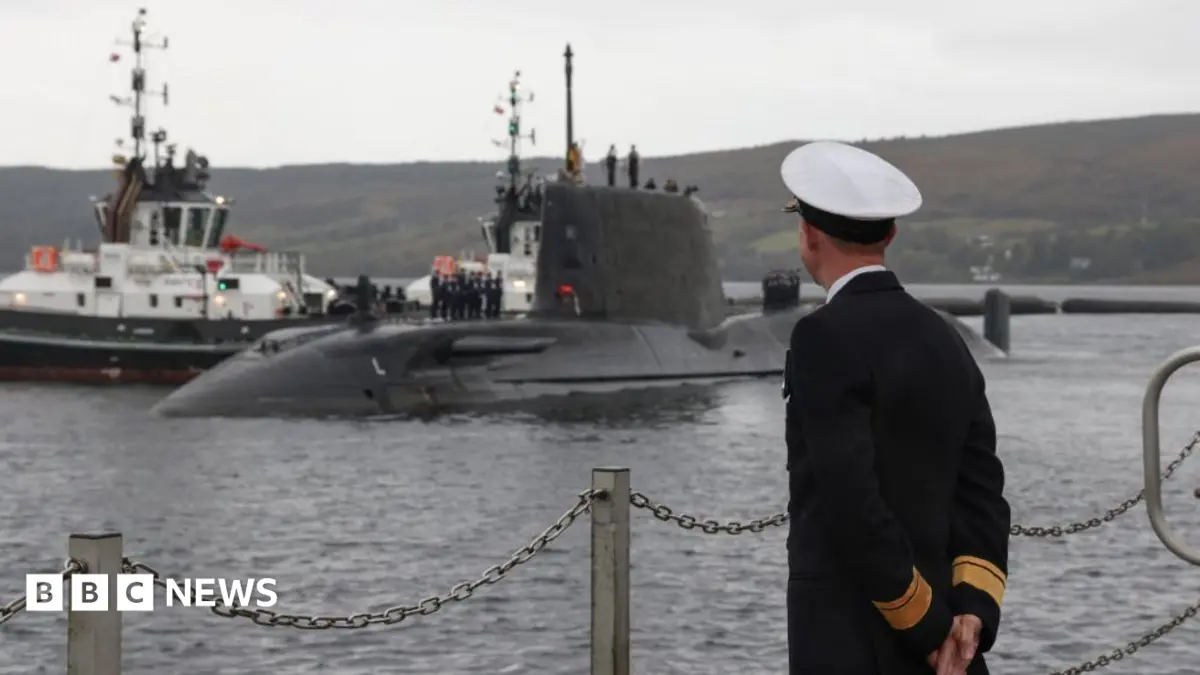
Following the breakdown of diplomatic negotiations led by Vice-President JD Vance, US President Donald Trump announced a naval blockade of Iran via Truth Social. He stated that the US would prevent any vessel paying an “illegal toll” from safe passage and would continue mine-clearing operations in the Strait of Hormuz, affirming the US military was “locked and loaded”.
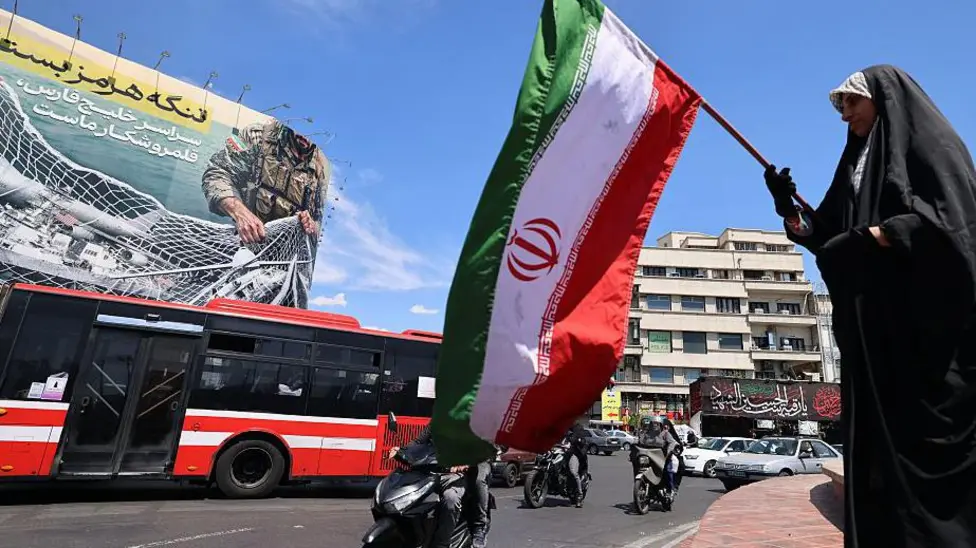
Negotiations reportedly faltered over Iran's refusal to abandon its nuclear programme, a claim an unnamed US official expanded upon, citing disagreements over Iran's control of Hormuz and its support for regional proxies.
This escalation presents considerable challenges for the US. Unanswered questions include the methodology for identifying vessels paying Iranian tolls, the potential use of force against foreign-flagged ships, and the anticipated reactions from nations reliant on Iranian oil, such as China. There are also concerns that the blockade, designed to curtail Iran's primary income, could further inflate global oil prices.
Senator Mark Warner expressed bewilderment, stating, “I don’t understand how blockading the strait is going to somehow push the Iranians into opening it.” Conversely, Republican Congressman Mike Turner suggested the blockade aims to compel a resolution, bringing allies to the negotiating table.
The current conflict, initiated by US and Israeli strikes on Iran in February, has seen the US-Israel coalition target an Iranian primary school, resulting in significant civilian casualties. The International Criminal Court has issued arrest warrants for Israeli Prime Minister Benjamin Netanyahu and former Defence Minister Yoav Gallant on charges of war crimes, while the International Court of Justice is hearing genocide proceedings against Israel.
With a CBS poll indicating that 59% of Americans believe the war is progressing poorly for the US, and key objectives like securing the Strait of Hormuz and ending Iran's nuclear programme remaining unmet, the President's latest gamble carries substantial political and economic risks ahead of November's midterm elections.