Swinney Suggests 2028 for Scottish Independence Referendum
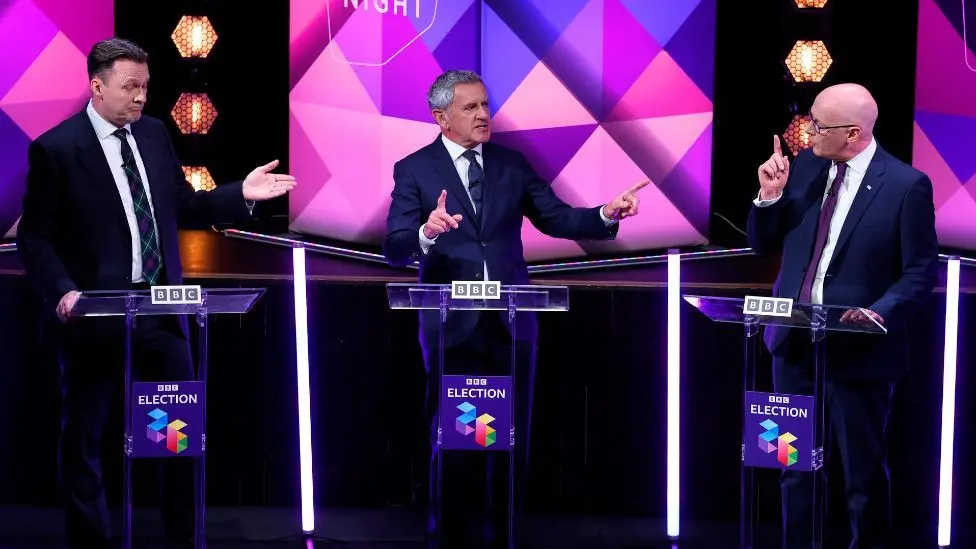
First Minister John Swinney has stated that a second Scottish independence referendum is 'perfectly conceivable' by 2028. Speaking during a BBC Scotland Debate Night special, the SNP leader suggested that an SNP majority in the upcoming election would provide the mandate needed to break the current 'constitutional logjam'.
Party Leaders Clash on Independence
The prospect of another independence vote drew sharp reactions from other party leaders. Ross Greer, co-leader of the Scottish Greens, supported the idea, asserting that Scotland's future should be 'in Scotland's hands' and highlighting the 'profoundly anti-democratic' nature of Westminster denying a vote. He argued independence could address critical issues like the NHS and the economy.
Conversely, Labour leader Anas Sarwar maintained that the next election is 'not about independence', urging a focus on the NHS, housing, and the cost of living. Scottish Conservative leader Russell Findlay branded the break-up of the UK an 'unmitigated disaster', imploring Swinney to 'get on with the day job'. Malcolm Offord of Reform UK described another referendum as 'divisive', though he conceded a future vote might be considered if 'Yes' support reached 60%. Scottish Liberal Democrat leader Alex Cole-Hamilton dismissed the idea, stating his focus was on other pressing matters.
Westminster's Stance and Future Hurdles
Any second independence referendum would require authorisation from the UK government. However, Prime Minister Sir Keir Starmer has expressed he cannot foresee such a vote during his tenure, with Health Secretary Wes Streeting reinforcing this position, stating, 'We're not having one'.
The UK Supreme Court ruled in 2022 that the constitution is a matter for Westminster, meaning a 'section 30 order' – a transfer of powers from Westminster – would be necessary, as it was for the 2014 referendum. Swinney believes an emphatic SNP majority would compel Westminster to grant this order, paving the way for a vote by 2028.